What to Do With Old Clothes in Zurich: A Garment-by-Garment Guide
Last updated: October 7, 2026.
Every spring and every autumn I go through the same ritual. The wardrobe gets emptied onto the bed, and the pile sorts itself into three heaps: keep, give away, and a small, guilty heap I never quite know what to do with — the jumper with the moth hole, the jeans with the broken zip, the T-shirt that has simply given up. If you live in Zurich and you have a heap like that, this guide is for you.
The good news is that the answer changed this year. Since 2026 the City of Zurich runs its own reorganised system for old clothes in Zurich, and it does something most collection schemes refuse to do: it takes the broken stuff too. So the old rule of “only donate what someone could wear” now needs an update. Here is how to decide, garment by garment, where each piece should actually go.
What changed in Zurich in 2026
For years, nobody could tell you with confidence where a bag from a Zurich clothing bin finally ended up. The city’s own waste department admitted as much: speaking to SRF, a spokesperson for Entsorgung + Recycling Zürich said some of those textiles ended up on informal dumps in the Global South or were burned in the open. If you want the national version of that story, I traced it in detail in my piece on where donated clothes in Switzerland actually go.
Zurich decided to stop that. From 2026 the sorting is done by Tell-Tex AG, which buys the clothes from the city under a contract running to 2035. Garments in good enough condition are meant to be sold through second-hand shops; those that can’t be sold are to be turned back into fibre for new clothing; and anything that is neither wearable nor recyclable is incinerated with household waste here in Switzerland — rather than shipped to dumps abroad. SRF described Zurich as the first municipality in the country to set up its textile collection this way.
| What the city reports | |
|---|---|
| Textiles collected per year | About 2,000 tonnes |
| Sorting partner | Tell-Tex AG, contract until 2035 |
| Local reuse target | A fifth of old textiles reused locally within ten years |
| Collection points | 160 city collection points |
| Damaged clothes | Accepted after the switch — holey jumpers and broken jeans included |
| What is left over | Incinerated with household waste in Switzerland, not exported to dumps |
| Next step (proposed) | City to run collection itself, with 240 barrier-free containers |
That last row is still a proposal: the city council has asked parliament for a credit of more than CHF 3.8 million to bring the collection in-house, including two vehicles and 240 barrier-free containers. The direction is clear, though. Zurich wants old clothes handled close to home.
Where will my garment go? Follow one jumper
It helps to see the route once. Tap through the stages below and pick a branch at the end — the branch your garment takes depends almost entirely on the condition you hand it over in.
One jumper, seven stops
Based on the City of Zurich system as reported by SRF; details may change as the in-house collection rolls out.
The garment decision tool: what should this piece do next?
This is the bit I wish someone had handed me years ago. Pick the condition and the material of the garment in your hand, and you get the best route for it in Zurich — not the most convenient one, the best one.
Where should this garment go?
Notice what the tool almost never says: “just put it in the bin and stop thinking about it.” The order matters. Wearing something longer beats repairing it, repairing beats passing it on, passing it on beats recycling, and recycling beats burning. Every step down that ladder loses something.
Donate, sell, swap, repair or recycle: an honest comparison
| Route | Effort | What you get | Best for | Watch out for |
|---|---|---|---|---|
| Sell | High — photos, listing, meeting buyers | Money and the satisfaction of a good home | Quality brands, designer pieces, near-new items | Low-value fast fashion rarely sells |
| Swap | Low to medium — turn up with a bag | Something “new” for free | Wearable everyday clothes you are simply bored of | Only bring what you would take yourself |
| Donate to a charity shop or Brocki | Low | Supports a cause; keeps the item local | Clean, wearable clothes | They need sellable stock, not damaged items |
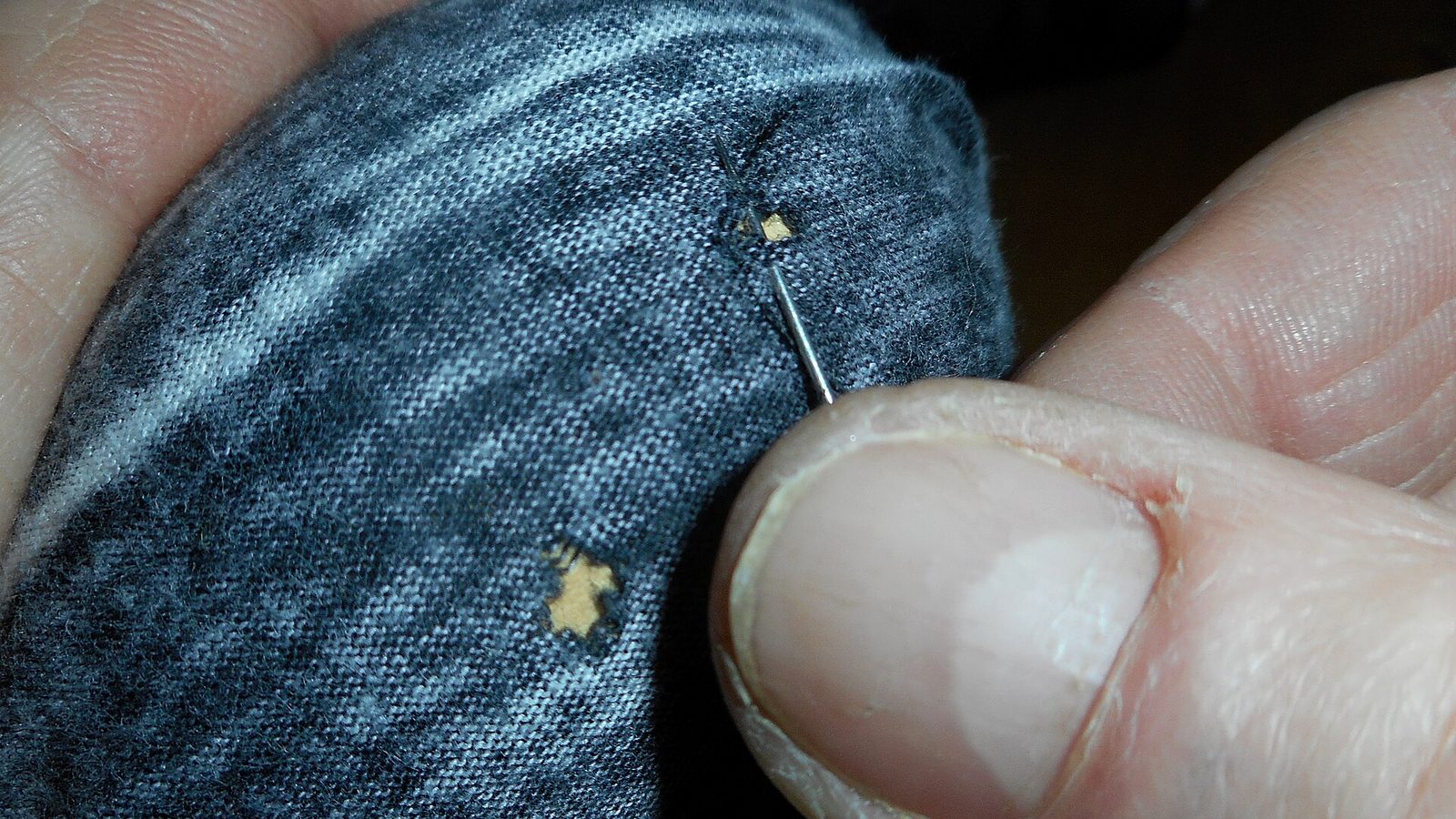
| Repair | Low to medium — or a tailor’s small fee | The garment you already like, back in use | Holes, zips, buttons, hems, moth damage | Very cheap garments may not survive repair |
| City textile collection | Lowest | Peace of mind | Worn-out, damaged or unsellable textiles | Clean and dry only; it is the last resort, not the first |
If the garment is still wearable, buying and selling second-hand is almost always the better route — it keeps clothes moving between Zurich wardrobes without any sorting plant in between. My guides to selling clothes in Zurich and the city’s best second-hand shops cover exactly where to take them, and for designer pieces there is a separate guide to luxury second-hand in Zurich.
Where to take old clothes in Zurich
Rather than a map that goes out of date the moment a container moves, here are the kinds of places that actually exist in the city, what each one wants, and when to use it. For the current list of repair cafés, swap points and flea markets, the city keeps an official overview of second-hand, repair and sharing offers — and it even runs a pilot AI assistant, Zü-Re, that answers questions about where to repair or pass things on.
| Option | What it accepts | When to use it |
|---|---|---|
| City textile collection points (160) | Clean, dry textiles — including damaged ones since 2026 | Worn-out or unsellable clothes |
| Brockis and charity second-hand shops | Clean, wearable, sellable clothing | Everyday pieces in good condition |
| Second-hand and consignment shops | Quality and branded pieces, often seasonal | Clothes worth real money |
| Clothes swaps and public clothes cupboards | Clean, well-kept clothes; take and leave freely | Things you’re bored of rather than finished with |
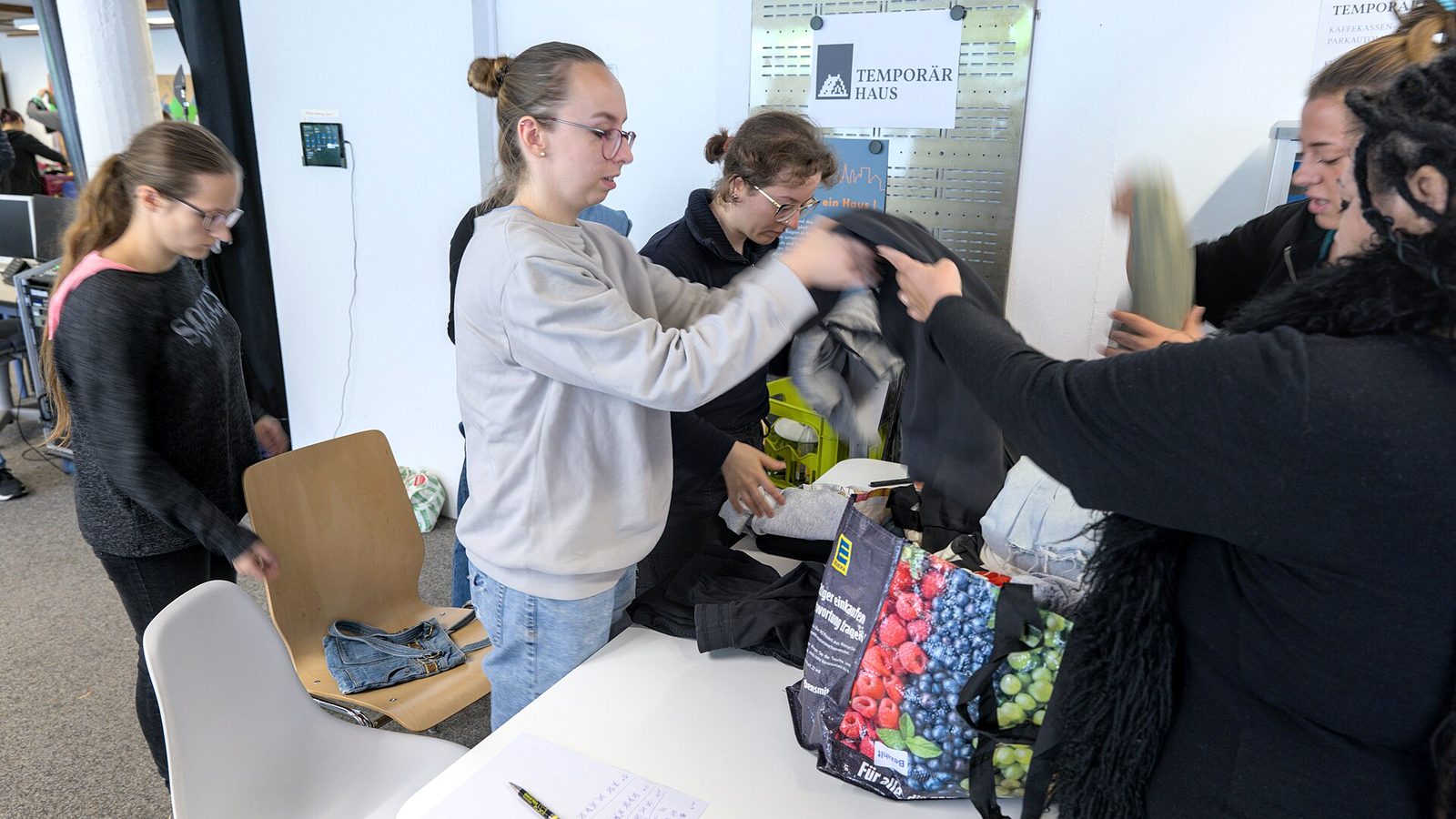
| ZHdK clothing swap, Toni-Areal | Up to 10 clean, well-kept items per person | Twice a year; also offers repair and knitting help |
| Tailors, alteration shops and repair cafés | Garments needing a fix | Holes, zips, buttons, hems, moth damage |
The ZHdK swap is a good example of how simple this can be: you bring up to ten clean, well-kept items and take up to ten home, and the organisers say more than 180 kilograms of clothing has already changed hands that way. Zurich’s second-hand culture has also become far more social — this autumn’s ZÜRI BROCKI NIGHTS turn thrift stores into after-hours venues, and the Kapda runway shows what designers can build from clothes nobody wanted.
The number that will tell us if it works
Here is the scale of the challenge in one picture. The city collects around 2,000 tonnes of old textiles a year. Its target is for a fifth of that to be reused locally within ten years — something its own spokesperson noted is barely done at all today.
Zurich’s old textiles: collected vs. the local reuse target
Approximate tonnes per year, as reported by SRF. The target is a fifth of collected textiles reused locally within ten years.
About 2,000 tonnes of old textiles are collected in the city each year. The target of a fifth reused locally equals roughly 400 tonnes a year.Four hundred tonnes a year is ambitious, and whether Zurich gets there depends less on the sorting plant than on what we put in the bags. A bag of clean, decent clothes gives the system something to work with; a bag of damp, mixed-fibre fast fashion mostly gives it fuel for the incinerator.
Five habits that make the whole system work better
After years of wardrobe purges, these are the habits I actually stick to. None of them takes long, and each one decides whether a garment gets a second life or a short trip to the furnace.
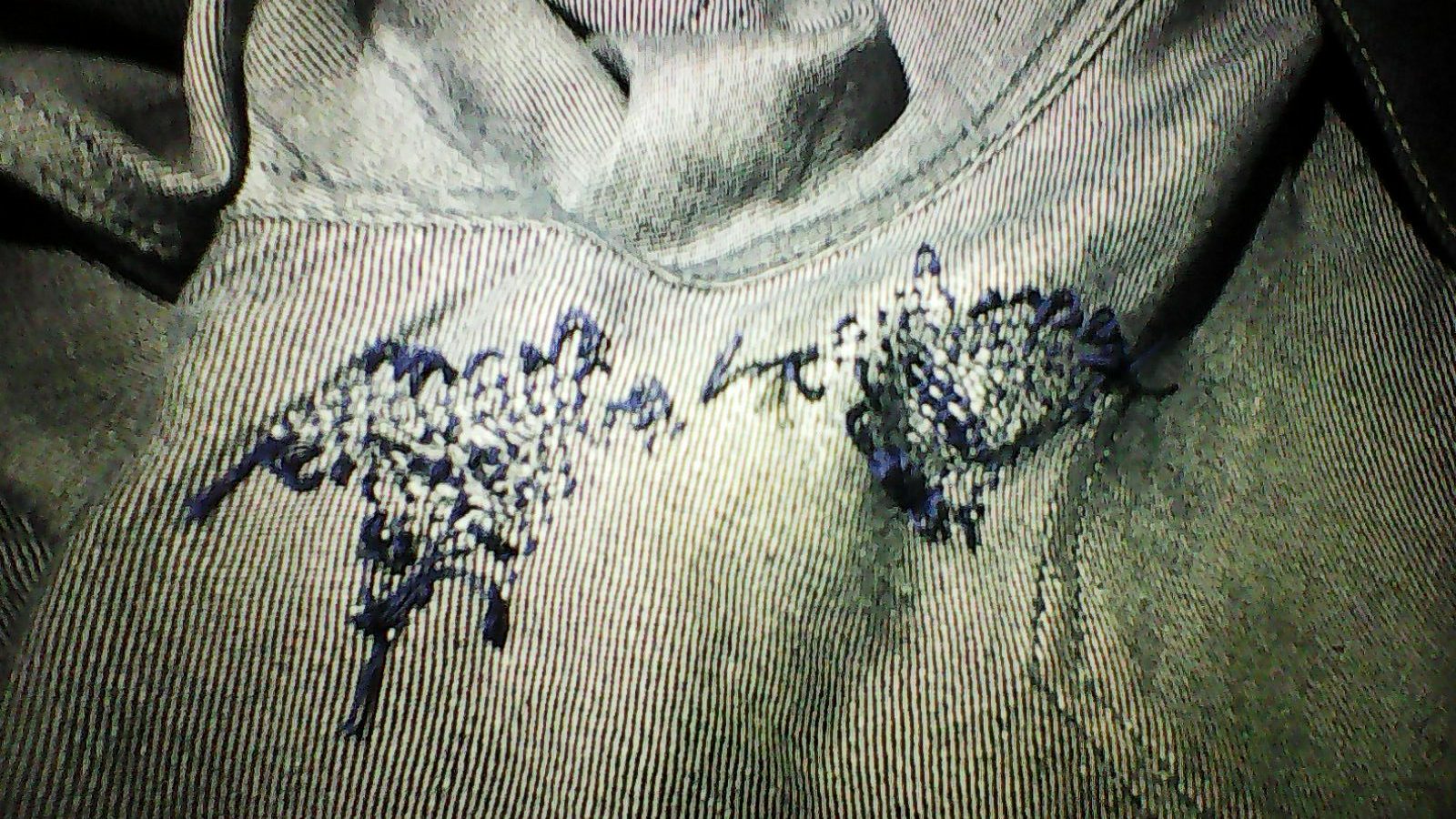
First, I read the label before deciding anything, because the material often decides the route — a 100% wool coat and a polyester-elastane blend are not the same problem. Second, nothing goes in a bag unwashed or damp. Third, I keep a small “to repair” pile and take it to a tailor in one trip rather than letting each item quietly become rubbish. Fourth, I separate the genuinely sellable pieces before the rest goes anywhere, because once something is in a collection bag its value to me is gone. And fifth, I buy less. That is the least satisfying advice and the most effective: the city’s own message is that the best old textile is the one that never needs collecting, which is why I keep coming back to brands that make clothes worth keeping.
The short version
If it is like new, sell or swap it. If it is wearable, swap or donate it. If it is damaged, try to repair it, and if you can’t, the City of Zurich will now take it. If it is worn out, a city collection point is exactly the right place. And if it is wet or mouldy, deal with that first. Zurich has quietly built one of the more thoughtful systems for old clothes in the country; the rest is up to the heap on the bed.
FAQ: old clothes in Zurich
Where can I donate old clothes in Zurich?
Wearable clothes can go to Brockis and charity second-hand shops, to clothes swaps and public clothes cupboards, or to one of the city’s textile collection points, where they are sorted for second-hand resale. Clothes in good condition are best sold or swapped directly so they stay in use locally.
Can I put damaged or torn clothes in the clothes collection in Zurich?
In the City of Zurich, yes. Since the system changed in 2026, damaged textiles such as jeans with holes or worn-out jumpers are accepted at city collection points, as reported by SRF. They should still be clean and dry. Charity shops, by contrast, need sellable items, so don’t give them damaged clothing.
What happens to old clothes collected by the City of Zurich?
Since 2026 they are sorted by Tell-Tex AG. Sellable pieces go to second-hand shops, unsellable ones are meant to be recycled into new fibre, and whatever can be neither reused nor recycled is incinerated with household waste in Switzerland instead of being exported to dumps abroad.
Are clothes recycled fibre to fibre in Zurich?
That is one of the goals of the new system, but it is still in its early stages: the city itself has said almost no old textiles are recycled fibre to fibre today. Single-material garments such as 100% cotton or pure wool are generally much easier to recycle than blends containing polyester or elastane.
Should I wash clothes before giving them away?
Yes. Clothes should be clean and completely dry before they go into any bag or container. Damp or dirty textiles can develop mould and spoil the other clothes collected with them; anything already mouldy belongs in household waste.