
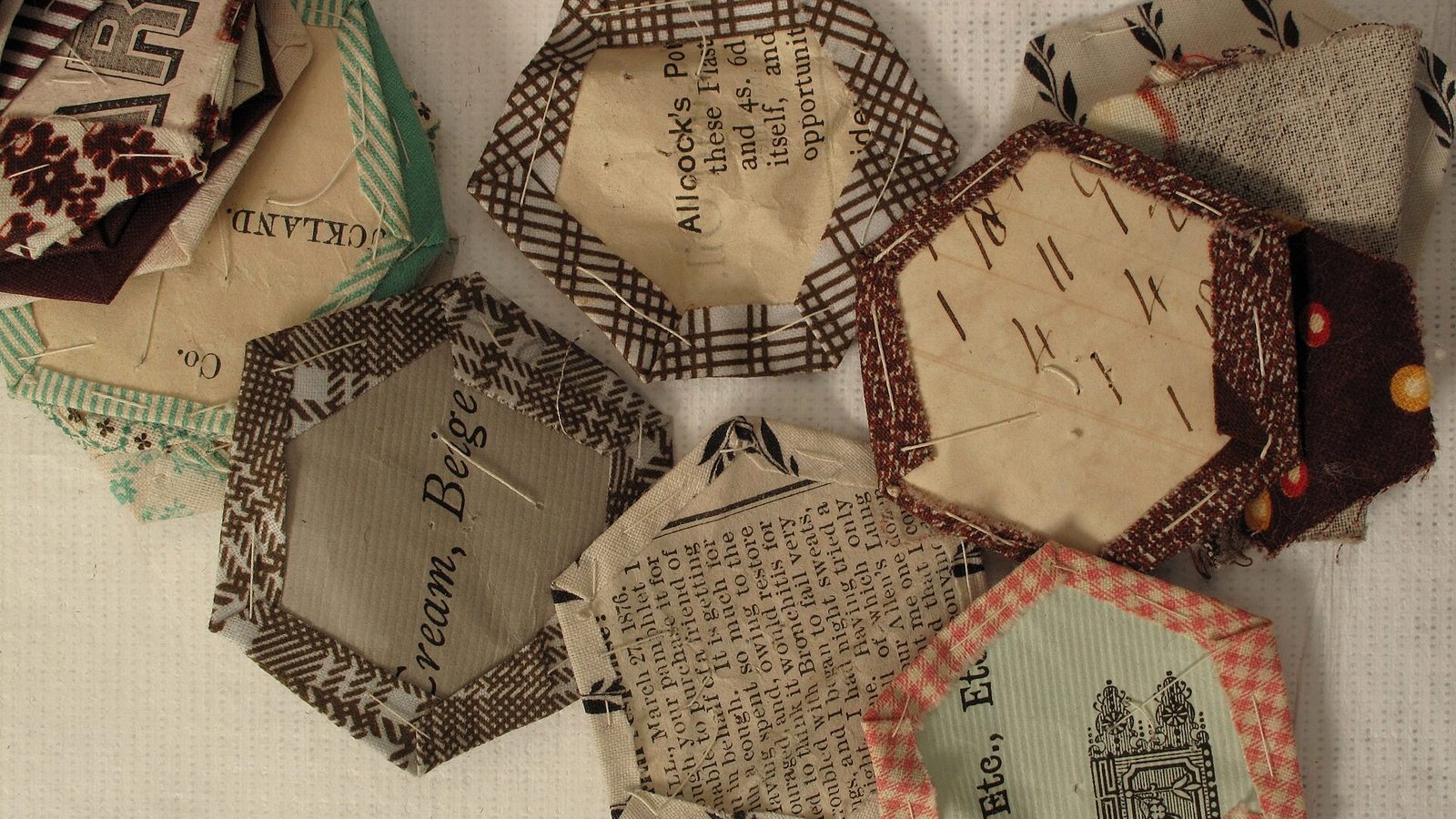
Can Second-Hand Be High Fashion? Zurich’s Upcycled Runway
Last updated: July 21, 2026.
“How would you dress on the day humanity overcame climate collapse?” That is the question printed on the invitation to the Kapda Fashion Show, and it is a better brief than most fashion weeks manage. On 10 October, twenty looks walk a runway at Planet5 on the Sihlquai — every one of them made entirely from upcycled or locally sourced second-hand material. No new fabric. None.
Which sets up the question I actually want to answer here, because it is the one the whole circular-fashion movement keeps dodging: can second-hand become high fashion, or is it destined to remain a virtuous niche? I have written a lot about buying used in this city — the shops, the vintage, where donated clothes end up. A runway is a different claim entirely. It says these clothes are not a compromise. They are design.
Kapda Fashion Show: the confirmed details
Straight facts first, from the official listing. The show presents twenty exclusive looks crafted entirely from 100% upcycled or second-hand materials, created by students, designers, artists and local boutiques working with tailors, with every garment meeting strict criteria. Admission is free, though you register a ticket in advance.
| Detail | Confirmed |
|---|---|
| What | 20 looks, 100% upcycled or second-hand material |
| Date | Saturday, 10 October 2026 |
| Time | 17:00–18:00 |
| Venue | Planet5 Events, Sihlquai 240, 8005 Zürich |
| Who makes it | Students, emerging designers, artists and local boutiques, working with tailors |
| Admission | Free — register a ticket via Eventfrog |
| Organiser | Kapda (kapda.ch, @kapda.ch) |
One correction worth flagging: the event copy mentions September in one line while the date field says 10 October. The date on the ticket is the one to trust — and if you are planning your evening, read on, because that date does something rather convenient.
The accidental double bill nobody has noticed
Here is a scheduling coincidence that turns one afternoon into a full day of circular fashion. Kapda runs 17:00 to 18:00. ZÜRI BROCKI NIGHTS — the after-dark thrift series that opens with a bar and live acts at the Zürcher Brockenhaus — starts at 18:00 on the same evening, a fifteen-minute walk away across Zürich-West.
So: watch twenty upcycled looks on a runway at five, walk to the Brockenhaus at six, and spend the night digging through the raw material those looks were made from. I cannot think of a better single day for understanding how this city’s circular fashion economy actually fits together — the finished idea, then the source. Plan it that way.
Why “100% upcycled” is a genuinely hard brief
It is worth being precise about what Kapda is asking of its designers, because “sustainable fashion” usually means something far softer. Most sustainable collections start with new material chosen for lower impact — organic cotton, recycled polyester, responsibly sourced wool. The designer still gets to order fabric by the metre, in the colour and quantity they want.
Upcycling removes that entirely. You get what exists: finite, irregular, already cut and sewn into something else, in whatever sizes and colours the donation stream produced. You cannot order two more metres. If you make a mistake, the material is gone. Every seam you unpick is a decision you cannot reverse, and the garment’s previous life dictates your pattern rather than the other way around.
Designers generally describe working like this as harder than designing from scratch — and I would argue that constraint is exactly why the results can be interesting. Fashion has always produced its sharpest work under restriction. This is simply a restriction nobody chose for aesthetic reasons.
Four ways designers rebuild a garment — tap one
The main approaches you will see on an upcycled runway, and what each one signals.
Upcycling is not new. It was simply not respected.
The strongest answer to “can second-hand be high fashion” is that it already has been, repeatedly, in cultures that were never asked the question. The best example hangs in museums today: Japanese boro — indigo cloth patched and repatched across generations with visible sashiko stitching, because throwing textile away was unthinkable for the households that made it.
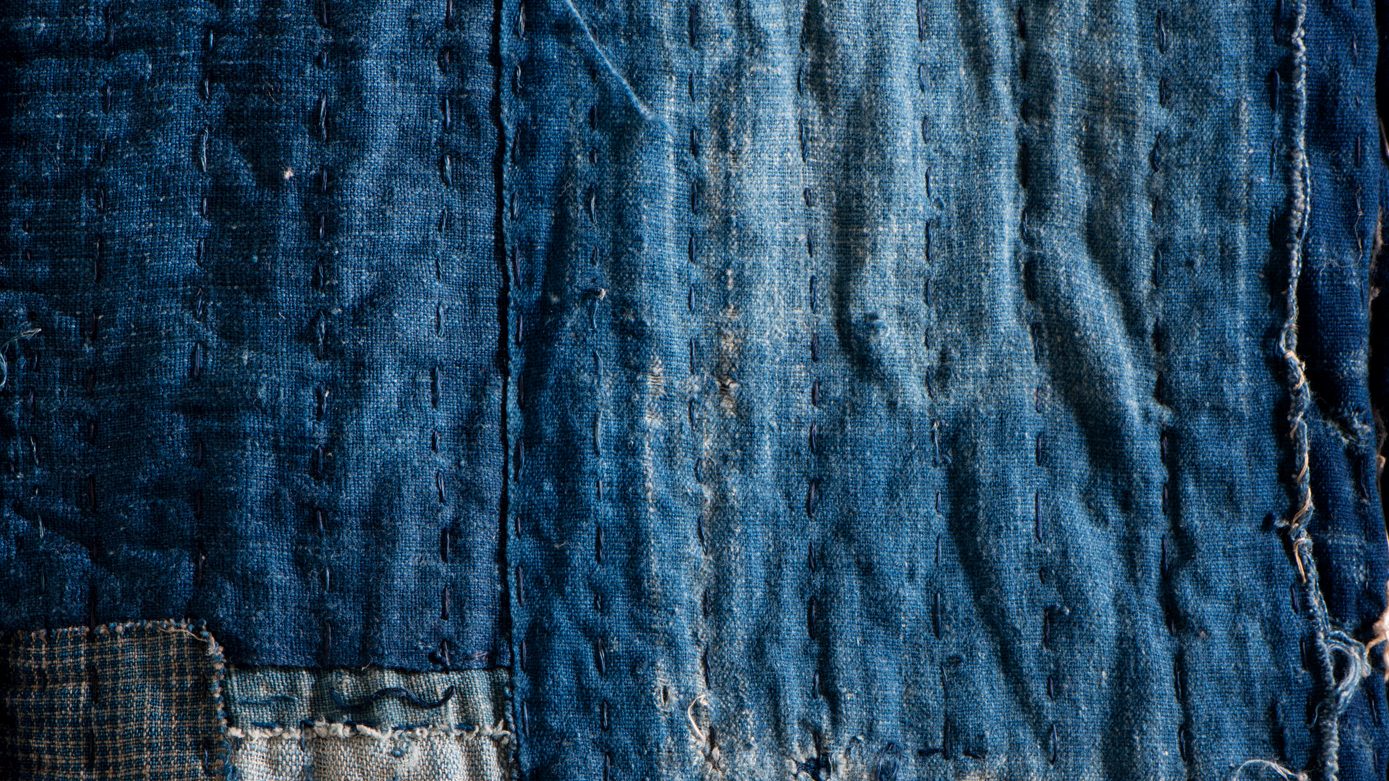
Boro was poverty cloth. Nobody stitched those patches to make a statement; they did it because cloth was expensive and life was not. Two centuries later, those textiles sit in ethnographic collections and their aesthetic has been quoted by designers from Tokyo to Antwerp. The mending became the beauty only once the necessity disappeared.
Europe has its own version in patchwork and quilting, and Switzerland has a related instinct in its textile heritage: value the material, work it as long as it lasts. So when twenty designers in Zurich rebuild used clothes into runway looks this October, they are not inventing a movement. They are restoring a normal that industrial fashion made briefly embarrassing.
The raw material is already here, and there is far too much of it
Upcycled fashion has one advantage no other design discipline enjoys: an effectively unlimited, locally available supply of input. When I traced where donated clothes in Switzerland go, the figures published by Texaid — which collects roughly 35,000 to 38,000 tonnes of used textiles a year here — showed that about 58 percent is good enough to be worn again, while about 34 percent arrives in too poor a condition to wear at all.
The stream upcycling is aimed at
Shares of collected textiles as published by Texaid (texaid.ch). The unwearable third is exactly the material a reconstruction designer can still use.
Of collected Swiss textiles, about 58 percent is good enough to be reused as clothing, while about 34 percent arrives too damaged to wear and must be downcycled, burned, or reworked.That damaged third is the interesting number. It is the portion the reuse market cannot absorb, the portion that gets shredded into rags or exported into someone else’s waste problem — and it is precisely the material a reconstruction designer can still cut a sleeve from. Upcycling is not competing with second-hand shops for the good stuff. At its best it is working the stream below them.
So can it become high fashion? Honestly: partly
Here is where I have to be straight rather than celebratory. Upcycling has a structural ceiling, and pretending otherwise does the movement no favours.
| The obstacle | Why it bites | Why Zurich is unusually well placed |
|---|---|---|
| No two pieces are identical | You cannot photograph one dress and sell four hundred of it — the entire retail model assumes repeatable stock | Small-batch and one-off is already how Swiss independents operate |
| Sizing is fixed by the source garment | A look built from one jacket exists in one size; grading is often impossible | High-price, made-to-measure and alteration culture is normal here |
| Labour is the whole cost | Unpicking, re-patterning and sewing is slow, skilled handwork | Swiss wages make cheap mass production impossible anyway — see Swiss Made — so labour-heavy models are less of a penalty |
| Quality perception | “Used” still reads as lesser to many buyers | A city where quiet luxury already values material over newness |
| Supply is unpredictable | You design around what arrives, not what you planned | A dense, well-organised local collection and resale network |
Read that table honestly and the conclusion is not “upcycling will replace fashion.” It is narrower and more interesting: upcycling cannot scale, which means it can only ever be premium, small-run and design-led — which is to say, it is structurally forced to be high fashion or nothing. The economics that make it impossible for a high-street chain are the same economics that make it viable for exactly the kind of independent Zurich already produces.
And there is precedent in this city for making expensive, uncompromising, small-run clothing work internationally. Julian Zigerli has done it for fifteen years from a base of eight million people. The upcycled designers on the Kapda runway are attempting a harder version of the same trick, with worse raw material and better ethics.
Going to the Kapda show: what to know
It is one hour, it is free, and it is at 17:00 on a Saturday — which makes it one of the lowest-commitment fashion events in the city and, given the double bill above, one of the best-timed. A few practical notes.
| Note | Detail |
|---|---|
| Register in advance | Admission is free but ticketed through Eventfrog; registration closes on the day |
| Arrive early | One hour, twenty looks, and a free show in Kreis 5 — seating will not be infinite |
| Getting there | Planet5 Events, Sihlquai 240, in Zürich-West; easiest by tram or a short walk from Hardbrücke |
| Stay for the evening | ZÜRI BROCKI NIGHTS opens at 18:00 the same night, minutes away |
| What to wear | Something second-hand, obviously. It is the one show where the audience can join the argument |
If you want to prepare properly, spend an hour beforehand in the shops that feed this ecosystem — my guides to Zurich’s best second-hand shops and sustainable brands in the city cover where the good material actually circulates.
What twenty looks can and cannot prove
A one-hour show with twenty garments will not fix fashion’s waste problem, and I would be suspicious of anyone claiming otherwise. What it can do is answer the narrower question it sets itself: whether clothes rebuilt from what already exists can hold their own on a runway, judged as design rather than as penance. On the evidence of every previous era that mended cloth as a matter of course, the answer is yes — and the results eventually end up in museums.
The show’s own framing is the part I keep returning to. Not “how do we reduce harm,” but “how would you dress on the day humanity overcame climate collapse?” That is a question about victory rather than guilt, and it is a far better invitation to design against. Twenty answers, one hour, free entry, Sihlquai 240.
Zurich’s autumn calendar also brought ONULI’s African designer pop-up to Langstrasse.
FAQ: Kapda Fashion Show and upcycled fashion in Zurich
When and where is the Kapda Fashion Show?
Saturday 10 October 2026, 17:00–18:00, at Planet5 Events, Sihlquai 240, 8005 Zürich. It presents 20 looks made entirely from 100% upcycled or second-hand materials by students, designers, artists and local boutiques working with tailors.
Is the Kapda Fashion Show free?
Yes. Admission is listed as free, but you register a ticket in advance through the Eventfrog listing, and registration closes on the day of the show. Because it is free, short and centrally located, arriving early is sensible.
What does 100% upcycled mean in fashion?
That the garment is made entirely from material that already existed — used clothing, offcuts or salvaged textiles — with no newly produced fabric. It is a stricter standard than “sustainable” fashion, which usually still starts from newly made low-impact material.
Can upcycled clothing really be high fashion?
It can be premium and design-led, but not mass-market. Because each piece depends on unique source garments, upcycling cannot produce repeatable stock or full size runs, so it is structurally suited to small-batch, higher-priced, design-driven collections — historically, mended textiles like Japanese boro ended up in museums.
What else is happening in Zurich that day?
ZÜRI BROCKI NIGHTS opens the same evening at 18:00, a short walk away, turning Zurich thrift stores into after-hours venues with bars and live acts. The Kapda show ends at 18:00, so the two events form a natural circular-fashion double bill.


