
Sell Clothes Zurich: Second-Hand Shops & Online Options
If you are searching for sell clothes Zurich, the best answer is not one single shop; it is a sorting system. Use MARTA when you have enough good pieces to fill a rack and you want a local retail setting, try Chemiserie when your clothes fit its buy-sell-trade recycled fashion model, use Swiss marketplaces such as marko when you want price control, and use designer resale routes when the item is high-value enough to deserve authentication and stronger photos. Do not bring a random bag of clothes into Zurich and hope the city rewards you. Zurich buyers are selective, condition-sensitive and allergic to wardrobe leftovers that still look like wardrobe leftovers.
The Closet Courtroom
I do not trust a closet cleanout until the clothes have been cross-examined. Put the doubtful piece on a chair and make it defend itself. Did it earn space this year? Does it fit your actual body, not your fantasy calendar? Would somebody in Zurich pay for it with a clear head?
I know the emotional trap of selling clothes. You remember what you paid. You remember the dinner, interview, holiday, phase of life or version of yourself attached to the piece. The buyer does not. The buyer sees fabric, condition, brand, size, colour, current relevance and price. That gap between memory and market value is where most sellers lose time.
Zurich is a good city for resale because people here understand quality and many shoppers are open to second-hand fashion. But it is not an easy city for careless selling. The pieces that move fastest are clean, current enough, seasonally right and easy to imagine in a real Swiss wardrobe: coats, knitwear, denim, handbags, shoes in excellent condition, workwear, outdoor-adjacent pieces, minimalist basics and designer items with visible quality. The pieces that struggle are damaged, tired, over-personal, over-priced or too attached to a trend that already left the room.

The Zurich Selling Rule: Edit Before You Choose The Channel
Before choosing where to sell, sort your clothes into four piles: worth selling, worth tailoring, worth donating, and worth accepting as a lesson. I am deliberately blunt about the fourth pile because it saves time. Not every purchase deserves a second marketplace life. Some clothes teach you what not to buy again.
The “worth selling” pile should pass three tests. First, condition: no odour, stains, pilling, broken zippers, missing buttons, tired elastic or strange storage marks. Second, relevance: would someone in Zurich plausibly wear this in the next three months? Third, effort: is the expected payout worth photographing, transporting, listing or waiting for a sale?
The mistake I see often is mixing everything together. A Max Mara coat, a barely worn COS blazer, a fast-fashion party top, old sports leggings and sentimental shoes do not belong in the same selling strategy. They need different exits. Zurich resale works when you separate the wardrobe like an editor, not like someone cleaning in panic on a Sunday evening.
Where To Sell Clothes In Zurich: Best Options Compared
The right route depends on what you value more: speed, payout, control, low effort or local atmosphere. A rack model can be better for volume. A curated store can be better for quality. A marketplace can be better for control. A designer platform can be better for luxury pieces. Donation can be better when the expected payout is too low to justify the work.
| Selling Route | Best For | Effort Level | Main Risk |
|---|---|---|---|
| MARTA rack model | Several good pieces, personal pricing, local shoppers | Medium | Overpricing or choosing pieces that do not look good together |
| Chemiserie buy-sell-trade | Good everyday second-hand pieces with a recycled-fashion audience | Medium | Items may be rejected if they do not fit the shop’s current needs |
| Swiss marketplace such as marko | Control over price, photos and timing | High | Slow sales if photos, prices or descriptions are weak |
| Designer resale platform | Luxury bags, shoes, jewellery and strong designer pieces | Medium to high | Authentication, buyer negotiation and condition disputes |
| Donation or textile recycling | Low-value, tired or hard-to-sell items | Low | Accepting that not every item should become cash |
MARTA: Best When You Have A Small Wardrobe Story To Sell
MARTA Circular Fashion Market is one of the clearest Zurich options because its model is simple: you can rent a shelf or sales stand and sell your clothes. The site lists Zurich locations at Grossmünsterplatz 6 in Kreis 1 and Brauerstrasse 58 in Kreis 4, and it says sellers can reserve a sales stand, create a product list and track sales through a customer account.
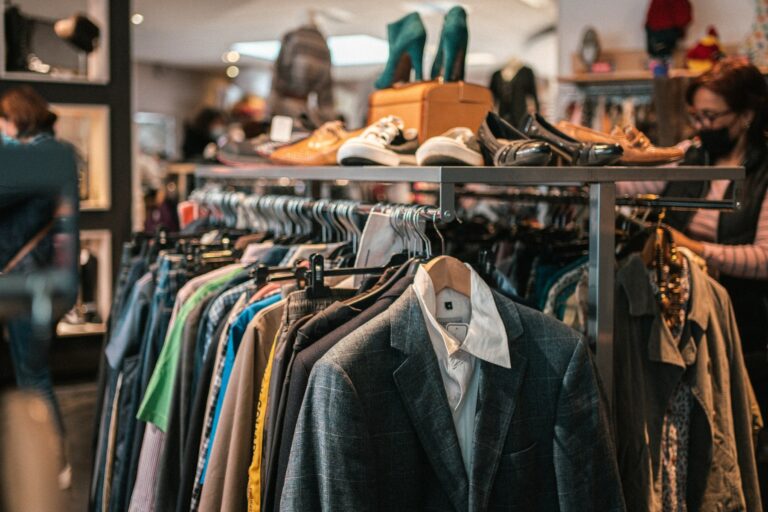
I like the rack model when your clothes have visual coherence. Ten good pieces that belong together will sell better than thirty unrelated items fighting for attention. Think of it like merchandising a tiny boutique. If your rack contains navy wool, clean denim, striped shirts, one good coat and leather shoes, the buyer understands you. If it contains gym leggings, a bridesmaid dress, three impulse blouses and an old blazer, the rack feels like laundry with price tags.
Before using a rack model, steam everything, group by mood, price clearly and remove anything that weakens the story. The strongest sellers are not always the most expensive pieces. They are the pieces that are easiest to imagine on Saturday morning: good jeans, clean shirts, simple jackets, dresses that do not need explanation, bags without obvious wear and shoes that look hygienic enough to try.
Chemiserie: Useful For Buy-Sell-Trade Fashion
Chemiserie describes itself as “Buy Sell Trade” recycled fashion and lists a Zurich store at Badenerstrasse 123. That model matters because it is not the same as simply renting a rack. You are entering a curated flow where the store has its own audience, space limits and seasonal needs. What you bring has to fit the shop, not only your memory of the item.
I would consider Chemiserie for good everyday pieces, interesting second-hand fashion, wearable vintage, clean seasonal items and clothes with enough personality to stand out without needing a luxury label. I would not bring a bag full of random fast-fashion leftovers and expect magic. A buy-sell-trade store has to protect its rails. If your pieces look tired, dated or hard to style, rejection is not personal. It is retail reality.
Before going, check current opening and selling instructions directly, because acceptance windows and category needs can change. Bring fewer, stronger items. Fold them neatly. Do not make the staff dig through a chaotic bag. Presentation is not vanity; it signals that you understand resale value.
marko: Best When You Want Control
marko positions itself as Switzerland’s second-hand community marketplace and shows fashion categories from T-shirts and dresses to bags, sneakers, jeans, sweaters, boots and jackets. The advantage of a marketplace is control: you choose the price, photos, description and timing. The disadvantage is also control: if the listing is weak, there is no shop staff to save you.
Use marko-style selling for pieces that photograph well and can be described clearly. Brand, size, measurements, fabric, condition and pickup/shipping details matter. Zurich buyers are practical. They want to know whether the colour is accurate, whether the wool pills, whether the shoe runs small, whether the bag has corner wear, whether the blazer is lined, whether the jeans stretch.
My marketplace photo rule is strict: daylight, clean background, front, back, label, fabric close-up, flaw close-up if there is one, and a scale cue. Do not hide damage. Hidden damage creates distrust and wastes everyone’s time. A flaw shown honestly can still sell if the price is fair. A flaw discovered later makes the whole transaction feel unpleasant.
Designer Platforms: Best For Luxury Pieces, Not Everyday Clothes
For designer items, especially bags, shoes, jewellery and recognisable luxury clothing, broader resale platforms can make sense. Vestiaire Collective says sellers can list with photos, receive recommended pricing, negotiate with buyers, ship with prepaid insured labels and get paid after sale. It also describes authentication and seller protection as part of the resale proposition.
I would use a designer-focused platform only when the item has enough value to justify the work: a luxury bag, a strong designer coat, excellent shoes, jewellery, archival pieces or current brands with active demand. For ordinary high-street pieces, the platform may be too much effort. A CHF 28 blouse does not need an international resale strategy. A Prada coat might.
With designer resale, documentation helps. Keep receipts, boxes, dust bags, authenticity cards where relevant and clear photos of serial codes or labels when appropriate. But do not overestimate packaging. A box can support value; it cannot rescue a bad item. Condition still leads.
What Sells Best In Zurich
Zurich has a practical eye. The clothes that sell best are usually the ones that fit real life here. Good coats, wool blazers, clean denim, quality knitwear, leather bags, polished shoes, simple dresses, technical outerwear, silk scarves and minimalist basics all make sense because they enter existing wardrobes easily. They do not ask the buyer to become a new person.
Seasonality matters. Try selling winter coats when people are thinking about cold weather, not when the lake is full of swimmers. Linen and summer dresses need spring or early summer energy. Party pieces sell better before events, not after. Ski-adjacent or mountain pieces make sense before winter trips. This sounds obvious, yet many sellers list out of personal cleaning rhythm rather than buyer rhythm.
Brand matters, but not as much as sellers think. A known brand helps only if the item is still desirable. A beautiful no-logo wool coat can sell better than a tired designer piece. Zurich shoppers often understand quiet quality. If the fabric, cut and condition are strong, say so clearly. “100% wool, lined, no stains, fits slightly oversized” is more useful than “very stylish!!!” with three exclamation marks.

What Probably Will Not Sell
Some clothes are hard to sell because they are not bad, just too personal. Complicated colours, awkward lengths, extremely specific event dresses, very worn shoes, altered pieces, office clothes from another era, synthetic fabrics with tired texture and fast-fashion trend items often struggle. The problem is not always taste. The problem is friction. The buyer has to imagine too much.
I am especially strict with shoes. Unless they are barely worn, excellent quality or highly desirable, second-hand shoes need to look almost new. Zurich walking is demanding, and buyers know it. Heavy heel wear, stretched leather, visible toe marks or tired insoles make the price drop fast.
Damaged clothing should not be sold unless the flaw is minor, clearly photographed and honestly priced. A missing button is manageable. A stain under the arm is not “small.” Pilling on cheap knitwear is not “vintage character.” If the flaw would annoy you as a buyer, assume it will annoy someone else.
How To Price Without Lying To Yourself
The hardest part of selling clothes is pricing against emotion. You paid retail. The buyer pays present value. Those are different numbers. Present value depends on brand demand, condition, fabric, season, size, rarity, styling ease and how many similar items are available. The original price is evidence, not destiny.
My simple pricing method is this: search comparable sold or listed items, then ask whether yours is better, equal or worse in condition. If it is worse, price lower. If you want it gone quickly, price lower. If you want maximum return, prepare to wait and answer messages. Speed and price are usually opposites.
Do not start too high because you are embarrassed by the loss. The loss happened when the piece entered your wardrobe and remained unworn. Resale is not there to rewrite the past; it is there to recover some value and move the item into use. In Zurich, realistic pricing feels more elegant than desperate negotiation.
How I Would Prepare A Zurich Closet Cleanout
I would start with a rail, not a pile. Hanging clothes changes your eye. You see colour repetition, fabric quality, shoulder shape and whether the wardrobe still reflects your life. Then I would pull anything that has not been worn in a year unless it has a true seasonal or occasion reason. Next, I would inspect condition in daylight, not in forgiving evening light.
After that, I would separate the selling routes. Designer bags and luxury pieces go into a high-value pile. Good local resale pieces go into the MARTA or Chemiserie pile. Items that need individual storytelling go to a marketplace. Low-value but wearable items go to donation or recycling. This avoids the classic mistake of trying to sell everything in one place.
Then I would prepare the pieces properly: wash or dry clean if needed, steam, lint-roll, repair loose buttons, check pockets, photograph labels, measure waist/length/shoulders and write descriptions in plain language. “Excellent condition, worn twice, 100% wool, no visible flaws” will always beat vague enthusiasm.
When Selling Is Not Worth It
Selling is not always the most intelligent outcome. If a piece might earn CHF 8 after several messages, packaging and a tram ride, maybe it should be donated. If it needs dry cleaning that costs more than the likely payout, be honest. If it is too damaged, do not pass the problem to another person. Circular fashion is not a way to outsource guilt.
This is where fashion sociology enters the closet. We often want resale to prove that a purchase was not wasteful. But an item can be resold and still reveal overconsumption. The better lesson is not “how can I monetise everything?” but “why did I buy this, and what will I buy differently next time?”
For that deeper angle, read my piece on the fast fashion poor people argument. Selling clothes is practical, but it also exposes class, guilt, aspiration and the strange emotional accounting we do with our wardrobes.
The Best Route By Wardrobe Type
If your wardrobe is mostly quality basics, try MARTA, Chemiserie and marko. If your wardrobe is designer-heavy, start with the strategy in my luxury second hand Zurich guide before choosing a platform. If your wardrobe is full of good but not famous pieces, marketplace selling may work if you photograph well and price sensibly.
If your wardrobe is mostly fast fashion, be realistic. A few unworn or current pieces may sell, but many will not generate enough return to justify a complicated process. Use donation, textile recycling and the lesson of buying less next time. If you want to rebuild better, my guide on where to buy clothes in Zurich without fast fashion is a useful next read.
If your wardrobe has vintage or unusual pieces, compare what similar items look like in my best vintage shops in Zurich guide and my best second-hand clothes shops in Zurich guide. Seeing how stores curate can teach you how to present your own pieces.
My Honest Zurich Selling Strategy
If I had one wardrobe to sell in Zurich, I would not try to maximise every single item. I would protect my energy. I would sell the strongest 20%, donate the weakest 40%, and think carefully about the middle. The middle is where people waste weekends: pieces too good to throw away, not good enough to sell easily, emotionally expensive but commercially weak.
For the strongest pieces, I would use the route that fits the item. A designer bag deserves a designer resale strategy. A good Zurich coat deserves careful photos and a fair price. Ten clean mid-range pieces might work well as a rack story. A pile of low-value basics should not become a second job.
The goal is not only to make money. The goal is to become a better buyer. Selling teaches you which brands hold value, which fabrics age badly, which colours you never wear, which sizes you keep buying in fantasy, and which “bargains” were expensive because they never left the closet.
Bottom Line
To sell clothes in Zurich well, match the item to the right channel. Use MARTA for a coherent rack, Chemiserie for buy-sell-trade recycled fashion, marko for control, designer resale for high-value pieces, and donation or recycling when the likely payout is not worth the effort. Zurich resale rewards clean condition, seasonality, quality and realistic pricing. The best sellers are not the ones with the most clothes; they are the ones who edit before they sell.
FAQ
Where can I sell clothes in Zurich?
You can sell clothes in Zurich through rack models such as MARTA, buy-sell-trade stores such as Chemiserie, Swiss marketplaces such as marko, designer resale platforms for luxury pieces, or donation and recycling routes for items with low resale value.
What clothes sell best in Zurich?
Coats, wool blazers, clean denim, quality knitwear, leather bags, polished shoes, simple dresses, technical outerwear and designer pieces in excellent condition tend to fit Zurich resale habits best.
Is it better to sell clothes online or in a Zurich shop?
Online selling gives more price control but requires photos, descriptions and communication. Zurich shops or rack models can be easier for volume, but your pieces must fit the store’s audience and condition standards.
How should I price second-hand clothes in Zurich?
Price by present value, not emotional value. Compare similar items, adjust for condition and season, and price lower if you want a faster sale. Original retail price is only one reference point.
What should I do with clothes that do not sell?
If clothes do not sell, reassess price, photos and season. If the likely payout is too low, donate wearable pieces or use textile recycling for items that are no longer suitable for resale.
The buying side is having a moment too — see how ZÜRI BROCKI NIGHTS turned second-hand shopping into a Zurich night out.