
Fast Fashion Poor People Argument: Class & Clothes
Fast fashion poor people argument is valid when it protects people with limited money from shame; it becomes dishonest when comfortable shoppers use poor people as a shield for overconsumption. Cheap clothing can be necessary, but that does not make the fast fashion system innocent. The real question is not whether poor people deserve clothes. Of course they do. The real question is why a global industry depends on poverty at both ends: low-income shoppers who need affordability, and garment workers whose labour is kept cheap enough to make that affordability possible.
The Argument I Am Tired Of Having
The “what about poor people?” argument often arrives like a slammed door. It pretends to defend working-class shoppers, but too often it protects everyone else’s comfort: brands, influencers, middle-class guilt, and the fantasy that criticism of fast fashion is automatically criticism of poor women.
Before arguing, sort the target
Are you criticising a shopper with limited options, a billionaire retailer, a supply chain, a trend cycle, or your own discomfort? If you cannot name the target, the argument will probably punish the wrong person.
I am Asel Mamytova, and I think this argument deserves more respect than it usually gets. Fashion criticism often becomes cruel when it treats buying cheap clothes as a personal failure. I will never support that. People buy clothes under pressure: school, work, body changes, weather, pregnancy, interviews, funerals, social belonging, size availability and simple dignity. But I also refuse to let brands, influencers and middle-class consumers hide behind the poorest shopper every time fast fashion is challenged.
This is a fashion sociology problem, not only a shopping problem. Clothes mark class. They decide who looks employable, respectable, attractive, modern or out of place. Any honest conversation about fast fashion has to hold two truths at once: poor people should not be shamed for needing affordable clothing, and the fast fashion business model should not be excused because poverty exists.
The Argument In One Sentence
The strongest version of the argument says: ethical fashion is often too expensive, too limited in sizing, too inaccessible by location and too demanding in time, so criticizing cheap clothing can punish the people with the fewest choices. That argument is correct.
The weak version says: because some people need cheap clothes, nobody should criticize fast fashion. That argument collapses. It protects companies more than poor people. It turns poverty into a rhetorical bodyguard for overproduction, bad labour conditions, landfill waste and endless trend cycles.
I notice this especially in online fashion debates. Someone criticizes a haul of twenty cheap items, and immediately a comment appears: what about poor people? But the haul is often not about poverty. It is about entertainment, novelty, social media content and the small dopamine hit of a parcel arriving. We need to separate survival shopping from surplus shopping.
Survival Shopping Is Not Overconsumption
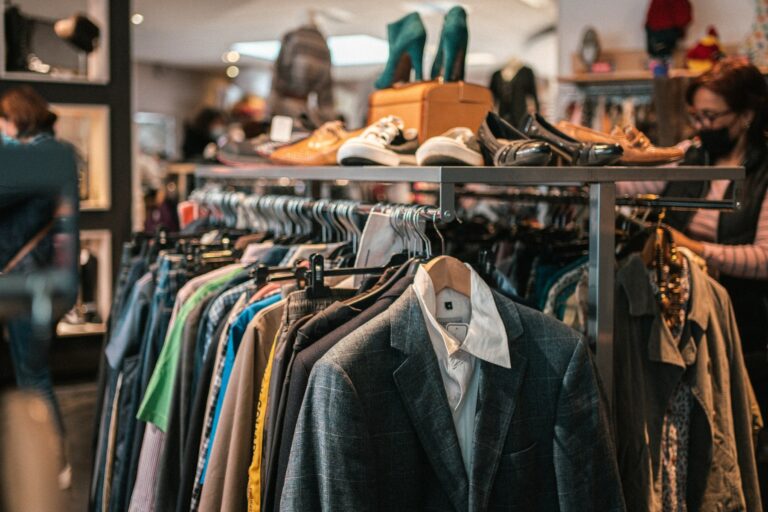
Survival shopping is buying the cheapest black trousers because your job requires them and your rent is due. It is buying children’s clothes because they outgrew everything again. It is choosing a fast fashion winter coat because the ethical one costs more than your food budget. It is buying what fits your body when better brands ignore your size.
Overconsumption is different. It is buying because the algorithm created urgency. It is ordering five versions of the same trend because returns feel easy. It is treating clothing as disposable entertainment. It is buying so often that no garment has time to become part of your life.
These two behaviours should not be judged the same way. A person with little money buying a needed item deserves dignity. A person with options buying constant novelty deserves a harder question. The class mistake is pretending both shoppers have the same power, the same motives and the same alternatives.
A Better Comparison
| Situation | What is happening | Fair response |
|---|---|---|
| Low-income shopper buying work clothes | Need, affordability, social pressure | No shame. Focus on better access and fair wages. |
| Influencer buying a huge haul | Content, novelty, performance | Criticize the overconsumption and the platform incentives. |
| Brand using poverty as excuse | Corporate responsibility avoidance | Ask about wages, volume, materials, waste and pricing power. |
| Middle-class shopper buying cheap trends weekly | Convenience and status refresh | Encourage buying less, repairing, second-hand and slower choices. |
This table matters because fashion ethics often becomes too vague. When everything is called problematic, nothing is understood. I prefer specific criticism: who has power here, who has choice, who profits, who is being protected and who is being used as an excuse?
The Worker Is Also Poor
The part of the fast fashion poor people argument that often disappears is the garment worker. The person buying a cheap dress may be financially constrained, but the person sewing it may also be constrained by wages, gender inequality, unsafe conditions or limited bargaining power. Poverty exists on both sides of the transaction.
The International Labour Organization describes textiles and clothing as globally important sectors employing over 90 million people, predominantly women, while also emphasizing decent work deficits such as poor working conditions, low wages and gender inequalities. That is the part we cannot skip when defending affordability.
Cheap clothing does not become socially just only because the buyer has little money. If the price depends on another poor person being underpaid, the moral equation remains unresolved. This is why the argument must move beyond consumer shame. The central issue is not whether one shopper is good or bad. The issue is a pricing system that makes dignity for one person depend on pressure somewhere else.

Fast Fashion Is A Class System, Not Just A Price Point
Fashion has always been tied to class. Pierre Bourdieu wrote about taste as a social marker; Thorstein Veblen wrote about status consumption. You do not need to read either theorist to feel the truth of it. A blazer can make someone look professional. Worn shoes can make someone look careless even when the real issue is money. A school outfit can decide whether a child blends in or gets mocked.
This is why I dislike simplistic advice such as “just buy one expensive thing.†That sentence assumes stable income, stable size, stable taste, time to search, access to shops, laundry control and a life where one perfect item can solve many needs. Many people do not live like that.
But class also works upward. Fast fashion sells poor aesthetics to rich and middle-class consumers as play. A person with options can dress in disposable trends without being socially punished in the same way. If the outfit fails, they buy another. If a poor person’s clothing fails, it can affect work, confidence, credibility and belonging. The same cheap garment does not carry the same risk on every body.
The Environmental Cost Is Not Abstract
The environmental argument also needs class awareness. Pollution, waste and exported textile burden do not land evenly. The United Nations Environment Programme describes fast fashion as a system of quick turnover, high volume and cheap prices that fuels waste, pollution and emissions. UNEP also points to people buying more clothes and wearing them for less time.
The Ellen MacArthur Foundation has framed the current textile system as a linear model that misses huge value because clothes, fabrics and fibres are not kept in circulation. Its textiles report notes that clothing production doubled over a fifteen-year period, driven by rising demand and fast fashion.
These facts matter, but they should not become a stick for beating poor shoppers. A low-income person buying a necessary shirt is not the engine of global overproduction. The engine is an industry that profits from making novelty feel urgent and repair feel old-fashioned. Blaming the least powerful consumer is emotionally easy and politically useless.
Why “Just Buy Sustainable†Fails
Ethical fashion advice often fails because it imagines the ideal consumer: enough money, enough time, a body that standard ethical brands serve, access to second-hand shops, laundry facilities, a calm life, and no urgent clothing needs. That person exists. Many people are not that person.
Second-hand is powerful, but it is not universally easy. It can be size-limited. It takes time. It may not offer workwear, children’s clothes, shoes or weather-appropriate garments when someone needs them. Sustainable brands can be beautiful, but expensive. Repairs can cost money. Capsule wardrobe advice assumes stability. Minimalism can become a rich person’s aesthetic sold as morality.
This is why my advice is not “never buy fast fashion.†My advice is more precise: do not buy unnecessary fast fashion when you have better options. Do not shame people with fewer options. Do not confuse cheap access with justice. And do not let brands present exploitation as generosity.
The Size, Time And Transport Problem
Affordability is not only about the price tag. It is also about time, transport, body access and return risk. A person who works irregular hours may not have a free afternoon to search vintage shops. A parent may need a child’s jacket today, not after three weeks of watching resale platforms. A plus-size shopper may find that the “ethical†options recommended online barely exist in their size, or cost far more than the straight-size equivalent.
This is why I distrust moral advice that sounds elegant but ignores logistics. “Just thrift†assumes good local stock, time to browse, transport, patience and the emotional energy to leave empty-handed. “Buy investment pieces†assumes spare money at the beginning of the month. “Repair it†assumes access to a tailor, or the skill and time to do it yourself. These are not small details. They are class details.
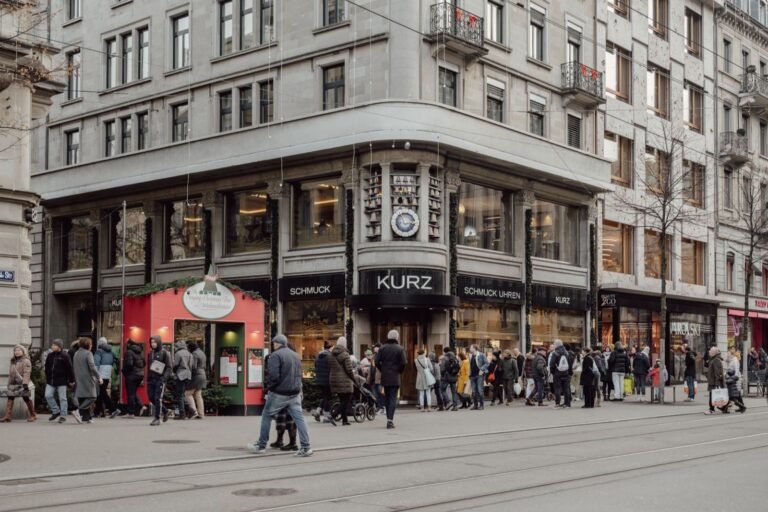
In Zurich, where public transport is excellent and second-hand options exist, it is still easy to underestimate this. A person living centrally with flexible time has a different sustainable-fashion reality from someone juggling shifts, children, bills and a body that most boutiques do not serve well. A serious ethical-fashion conversation has to include those unequal conditions.
Policy Matters More Than Purity
The obsession with individual purity is convenient for the fashion industry because it keeps responsibility scattered. One shopper feels guilty. Another defends herself. A third posts a haul. Meanwhile production continues at speed. The larger levers sit elsewhere: living wages, purchasing practices, import rules, durability standards, textile collection, repair infrastructure, producer responsibility and advertising limits for ultra-fast trend cycles.
This does not mean personal choices are meaningless. They matter culturally. When enough people stop treating clothes as disposable, brands notice. But individual choices work best when they are connected to better rules. If brands can still overproduce, destroy value, underpay workers and push the cost of waste onto cities and poorer countries, then consumer virtue will always be too small for the scale of the problem.
The Zurich Angle: Restraint Is A Privilege Too
In Zurich, this conversation has a particular edge. Swiss style often celebrates restraint, quality, quiet luxury and buying less. I believe in much of that. I write about quiet luxury in Switzerland because it reveals how class can become invisible through excellent fabric and understated design.
But restraint can also be expensive. A beautiful coat that lasts ten years still requires money now. A pair of repairable leather shoes costs more upfront. A wardrobe of simple, high-quality basics may look morally superior, but it can depend on income, space, body stability and the confidence to repeat outfits without social anxiety.
That is why Zurich’s slow-fashion conversation must stay humble. Yes, we can encourage sustainable fashion brands in Zurich, vintage shops in Zurich, and second-hand clothes shops in Zurich. But we should not turn those options into a purity test. Access is not equal, even in a wealthy city.
What A Fairer Conversation Sounds Like
A fairer conversation starts by naming responsibility in the right order. Brands and retailers decide production volume, speed, supplier pressure, material choices, marketing intensity and pricing strategy. Policymakers decide labour rules, import standards, waste rules and product responsibility. Consumers participate, but not equally.
The European Environment Agency notes that textiles are a major pressure category for resources and emissions in Europe, and that EU textile consumption has continued to rise. That is not solved by asking one poor shopper to buy a 300-franc dress. It requires durability standards, better wages, producer responsibility, reuse systems, repair access and a cultural shift away from constant novelty.
At the personal level, the fairer question is not “Are you a bad person for buying this?†It is “Was this necessary, will it be worn, and who had power in making it so cheap?†That question is less dramatic than online outrage, but much more useful.
What Consumers Can Do Without Becoming Moral Police
If money is tight, start with care rather than guilt. Wear what you own. Repair small damage. Wash less aggressively. Avoid buying duplicates. Choose colours that work together. Buy second-hand when it is genuinely accessible. Swap with friends. If you must buy cheap, buy the item most likely to be worn often.
If you have more money and choice, your responsibility grows. Buy fewer trend pieces. Stop using “what about poor people?†to defend your own hauls. Support better brands when you can. Use local options such as where to buy clothes in Zurich without fast fashion. Learn what good fabric feels like. Repeat outfits with confidence.
If you create fashion content, be honest about volume. A haul is not neutral. It teaches desire. It normalizes excess. It makes clothing look like entertainment rather than labour, fabric and waste. Fashion can be joyful without becoming disposable.
The Better Question
The fast fashion poor people argument should not end the debate. It should improve it. It should force us to stop writing ethical-fashion advice for imaginary consumers with unlimited money and perfect access. It should also force us to stop pretending that all cheap clothing purchases are acts of necessity.
My position is simple: protect poor people from shame, and protect garment workers from invisibility. Challenge overconsumption where choice exists. Challenge brands where power exists. Challenge policymakers where rules are missing. And challenge ourselves when we use someone else’s poverty to avoid looking at our own habits.
Fashion is never just fabric. It is class, labour, identity, aspiration and fear stitched together. That is why this argument matters. It asks us not only what clothes cost, but who is allowed to look acceptable, who is paid to make that possible, and who gets blamed when the system fails.
The afterlife of cheap clothing is its own story — see where donated clothes in Switzerland end up.
FAQ: Fast Fashion Poor People Argument
Is criticizing fast fashion classist?
Criticizing fast fashion is not automatically classist. It becomes classist when the criticism shames people with limited money instead of challenging brands, overconsumption, labour exploitation and the lack of affordable alternatives.
Do poor people need fast fashion?
Some people rely on cheap clothing because rent, childcare, work uniforms, body changes and social expectations leave little room for expensive ethical choices. That reality should be respected, not romanticized or used as a corporate excuse.
What is wrong with the fast fashion poor people argument?
The problem is not concern for poor people. The problem is when poor people are used as a rhetorical shield by consumers and brands that want to avoid talking about overproduction, low wages, waste and status-driven consumption.
What can I do if I cannot afford ethical fashion?
Buy less when possible, repair what you can, use second-hand if it is accessible, swap with friends, choose versatile basics and avoid shame. Ethical fashion should not require pretending everyone has the same money, size, time or transport access.
Who is most responsible for fast fashion?
Brands, retailers, investors and policymakers carry more responsibility than individual low-income shoppers. Consumers still have choices, but the system is shaped by production targets, pricing pressure, wages, marketing and regulation.
Last updated: June 18, 2026.