Zurich Fashion Scene: Designers, Boutiques and Street Style
Zurich fashion scene is not a miniature version of Paris, Milan or Berlin; it is a compact Swiss ecosystem built from luxury restraint, independent boutiques, sustainable design, precise outerwear and street style that looks practical before it looks loud. If you want the honest answer, Zurich’s fashion identity lives in the tension between money and modesty: the city has serious luxury, but the best dressed people rarely look as if they are begging you to notice it.
The Tram-Stop Test
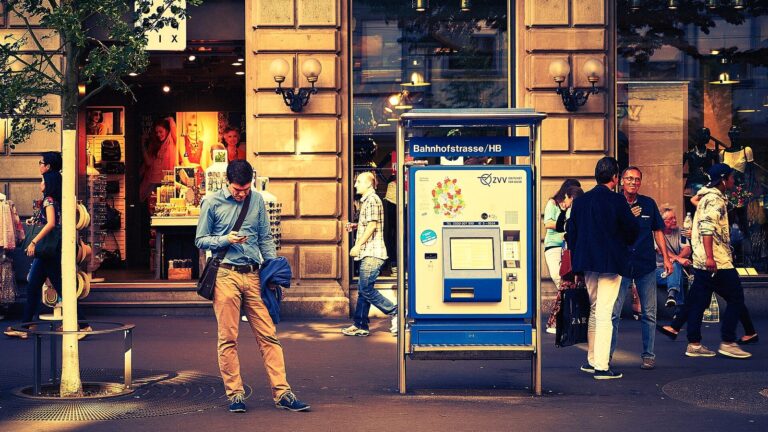
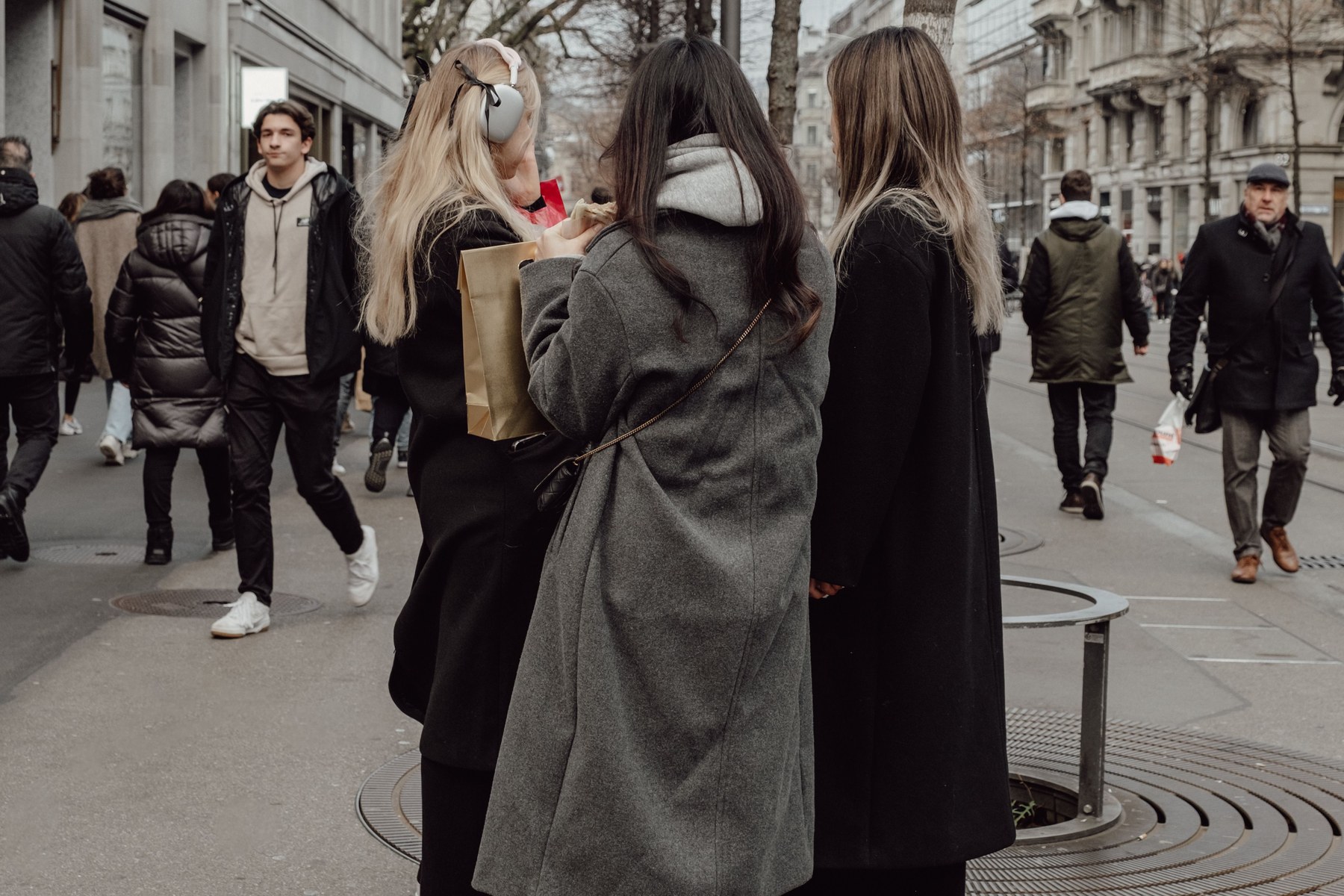
My favourite place to read Zurich fashion is not a runway or a boutique opening. It is a tram stop when people think nobody is watching. That is where the city gives itself away: polished boots, one expensive coat, a practical bag, wet hair tucked into a scarf, a flash of jewellery that refuses to become a whole personality.
Play street-style bingo for five minutes
Look for one perfect coat, one useful bag, one quiet luxury signal, one vintage-looking piece, one colour that breaks the grey, and one pair of shoes that could walk from Bahnhofstrasse to Kreis 5 without drama. That is the Zurich fashion scene in motion.
I think this is why Zurich is often underestimated. Visitors look for spectacle and miss the code. The fashion here is not usually theatrical. It is controlled, edited, material-aware and strongly shaped by real life: trams, rain, offices, lake evenings, cobblestones, winter coats, banking districts, design schools, vintage racks and the quiet confidence of people who prefer one excellent piece to five trend signals. That makes the scene harder to photograph as a single mood, but more interesting to read.
For a wider orientation, start with my Zurich fashion guide. This article goes deeper into the living scene: who shapes it, where to see it, what locals actually wear, and why Zurich fashion has more cultural substance than its polished reputation suggests.
The Zurich Fashion Scene In One Table
The easiest mistake is to reduce Zurich fashion to Bahnhofstrasse luxury. That is visible, but it is not the whole scene. The city works more like a set of overlapping style economies: formal money, independent taste, design utility, conscious shopping and street-level adaptation. The strongest outfits often borrow from several layers at once.
| Layer | Where You See It | Style Signal | What Most Guides Miss |
|---|---|---|---|
| Luxury polish | Bahnhofstrasse, Paradeplatz, lake-side hotels | Coats, bags, watches, leather shoes, quiet logos | The real status signal is maintenance and fit, not just price. |
| Independent boutiques | Old Town, Niederdorf, Seefeld, Kreis 5 | Edited rails, unusual colour, accessories, local labels | Small stores are where Zurich adds personality to restraint. |
| Swiss designer identity | Designer studios, fashion week formats, concept stores | Textile knowledge, craft, sharp silhouettes, limited production | Zurich designers often work with limitation as a creative force. |
| Sustainable and circular fashion | RRREVOLVE-type stores, vintage shops, resale platforms | Repairable bags, second-hand coats, better basics, slow buying | In Zurich, sustainability works best when it looks practical, not preachy. |
| Street pragmatism | Trams, university areas, Kreis 4, Kreis 5, Zurich-West | Sneakers, puffer jackets, wool coats, crossbody bags, black layers | The street style is quiet, but it is not careless. |
Why Zurich Fashion Looks Quieter Than It Is
Zurich is a city where display is negotiated carefully. Wealth exists openly, but taste often performs restraint. That creates a style culture where the obvious outfit is not always the most powerful one. A woman in a black wool coat, polished boots and one strong ring can read more convincingly here than someone wearing a full runway look with no connection to the city.
This has a lot to do with Zurich’s rhythm. People walk. They take trams. They move between conservative offices, design studios, galleries, lake walks and restaurants without necessarily changing clothes. The outfit has to survive the whole day. I notice this especially in outerwear. In many cities, coats are seasonal decoration. In Zurich, the coat is architecture. It frames the person, carries the mood and reveals whether someone understands proportion.
That is why I connect Zurich style so strongly with my guide to quiet luxury in Switzerland. The Swiss version is not only an internet aesthetic. It comes from climate, social codes, material knowledge and a preference for control. But Zurich is more than quiet luxury. The interesting part is what happens when restraint meets youth culture, vintage shopping, sustainable design and international influence.
Bahnhofstrasse Is The Visible Layer, Not The Whole Story
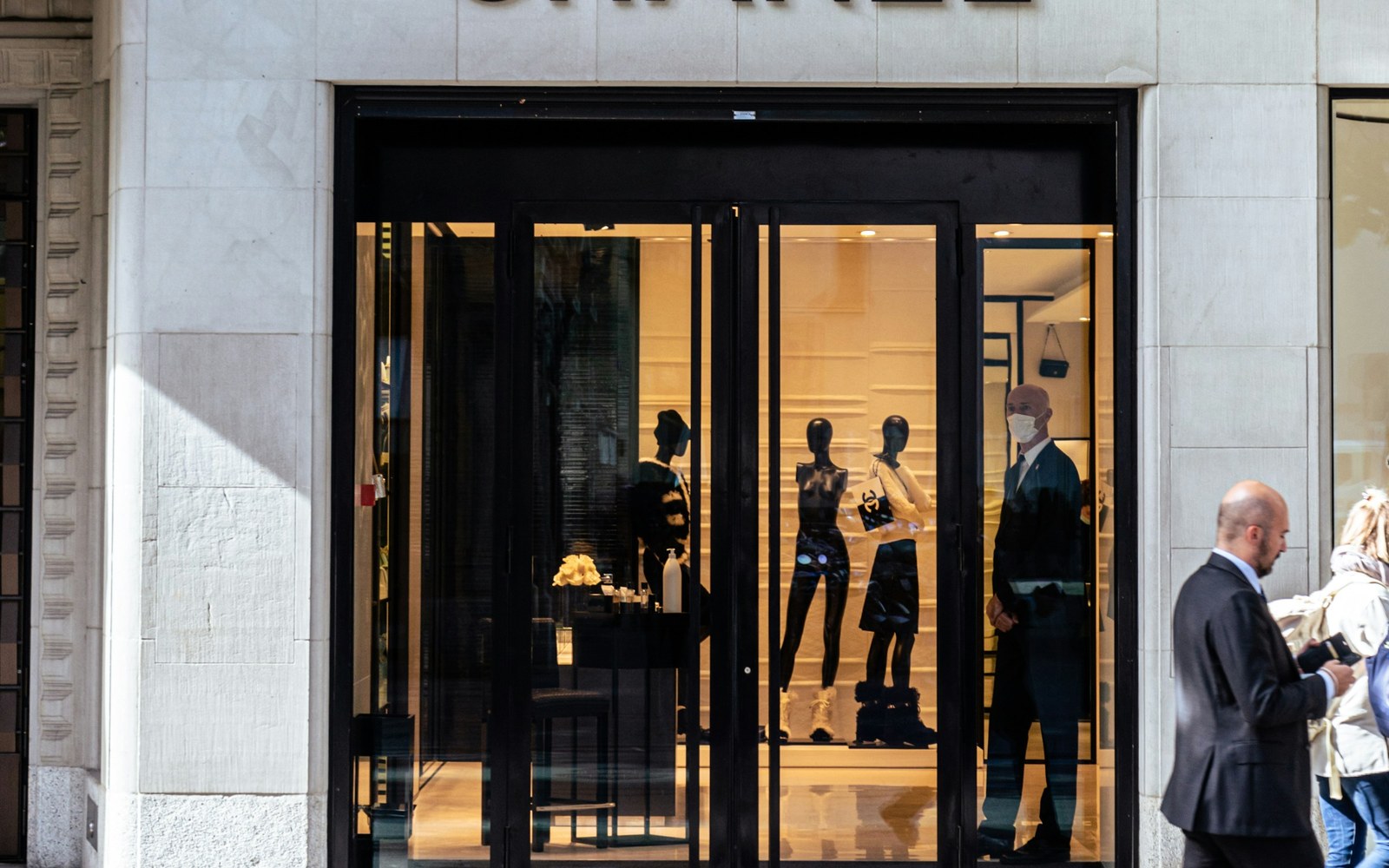
Bahnhofstrasse matters because it gives Zurich fashion its most visible international signal. The luxury storefronts, watch windows and polished pedestrians create a city-centre vocabulary of money, precision and service. My advice is to use Bahnhofstrasse as an eye-training street. Look at leather, wool, hardware, hems, shoe condition and how stores create silence around expensive objects. That silence is part of the performance.
But Bahnhofstrasse can also distort your view. If you only look there, Zurich becomes a city of luxury consumption. That is too simple. The better reading is that Bahnhofstrasse sets the high-gloss reference point, then the rest of the city responds to it. Some people lean into it. Some quietly resist it. Some mix one luxury piece with vintage denim or practical Swiss bags. Some ignore it completely and still look more interesting.
If you want the street-level shopping detail, read my Bahnhofstrasse Zurich shopping guide. For this article, the point is cultural: luxury is part of Zurich’s fashion scene, but the city’s taste becomes sharper when people do not let luxury do all the talking.
Independent Boutiques Give Zurich Its Personality
The smaller fashion spaces are where Zurich becomes less predictable. I do not go to independent boutiques only to buy clothes. I go to understand what kind of city Zurich thinks it is becoming. A good boutique edit reveals more than a trend report: whether shoppers want softness or structure, colour or neutrality, utility or romance, Swiss labels or global names, novelty or longevity.
Zurich’s best boutiques usually do not overwhelm you with volume. They ask you to look more carefully. That is a local strength. The rail is often smaller, the palette more controlled, the accessories better chosen. In a larger fashion capital, this might feel modest. In Zurich, it can feel intelligent because the city rewards pieces that move across settings. A jacket has to work on a tram, in an office, at dinner and under a winter coat.
For a practical route, use my guide to the best fashion boutiques in Zurich. The cultural point is this: boutiques are the antidote to the idea that Zurich style is only expensive basics. They add the human edit: the colour, the unusual bag, the scarf, the independent label, the piece that tells you someone has taste rather than just budget.
Im Viadukt And Zurich-West Make The Scene More Design-Led
Zurich-West matters because it changes the fashion mood. The area feels less like traditional shopping and more like a working design district. Switzerland Tourism describes the Viaduct Arches as a 550-yard urban meeting place in Zurich-West, with a shopping area under 36 railway arches and a mix of studio galleries, sport and fashion boutiques, delicatessens and a Market Hall. That structure is important. You do not browse there the same way you browse a luxury boulevard.
Under the arches, fashion sits beside food, design and everyday movement. That makes the clothing feel more useful. I see this as one of Zurich’s strongest style clues: good design is not separated from ordinary life. Bags, sneakers, jackets and simple layers matter because people actually use them. The best pieces in Zurich-West do not scream “fashion moment.” They solve a real wardrobe problem with better taste.
This is why my Im Viadukt Zurich shopping guide belongs inside any serious reading of the city. The area shows the less formal side of Zurich fashion: still controlled, still quality-minded, but more relaxed, urban and design-conscious than Bahnhofstrasse.
Swiss Designers Are The Scene’s Intellectual Backbone
Zurich’s designer scene is not huge, and that is not automatically a weakness. Small scenes can develop sharper identities because designers cannot hide inside endless noise. They have to decide what they mean. In Switzerland, that often leads to clothing and accessories with strong material logic: bags that work, coats that hold shape, textiles that matter, silhouettes that avoid unnecessary drama.
Zurich Fashion Week 2026 made this more visible by positioning Zurich as a meeting point for Swiss fashion, design and creativity, with emerging and established Swiss designers, student involvement and sustainability built into the programme. I do not think Zurich needs to imitate the big fashion-week cities. Its stronger opportunity is different: become the place where Swiss fashion is judged through quality, responsibility, technical intelligence and cultural specificity.
That is also why the designer category on this site matters. My guide to Swiss fashion designers is not just a list of names. It is a way to understand the larger Swiss fashion language: Akris and textile precision, enSoie and colour, Sara Schaer and mindful local production, FREITAG and utility, QWSTION and material thinking, Julian Zigerli and humour, Julia Seemann and independent edge.
enSoie Proves Zurich Is Not Afraid Of Colour
Whenever people describe Zurich style as purely neutral, I think of enSoie. Zurich Tourism presents enSoie as a fashion and accessories label and concept store on Strehlgasse, known for printed silk fabrics, clothing, jewellery and ceramics. The store’s history also matters: formerly Abraham & Brauchbar, it was taken over by Monique Meier in 1974 and has been run since 2010 by Eleonore, Sophie and Anna Meier.
What makes enSoie important is not only the product. It is the permission it gives the city. Zurich can be restrained, but it does not have to be beige. Colour here works best when it feels intentional rather than decorative. A printed scarf, silk blouse, ceramic detail or unusual accessory can soften the city’s sharper lines without making the outfit feel unserious.
This is an important lesson for anyone trying to understand the Zurich fashion scene. Local style is not a uniform. It is a negotiation. Many people start with a controlled base, then add one note of personality. enSoie shows that this note can be playful, artistic and deeply Zurich at the same time.
Sustainability Is Not A Side Trend Here
Zurich’s sustainable fashion scene works because it connects to existing Swiss habits: buy less, expect quality, repair when possible, avoid obvious waste, keep things functional. Of course, not every shopper lives this perfectly. Zurich has fast fashion, impulse buys and status consumption like anywhere else. But the local style code gives sustainability a practical foundation. Longevity already looks elegant here.
That is why sustainable brands, resale, repair and better basics should not be treated as a separate moral corner. They are part of the city style system. A second-hand wool coat, a repairable Swiss bag or a locally produced small-batch piece can look more natural in Zurich than a disposable trend item worn once for attention. The city exposes weak fabric quickly: rain, commuting and winter do not flatter cheap construction.
Sara Schaer is a useful Zurich example because the brand describes itself as an ethical, mindful and conscious Swiss fashion brand based in Zurich, founded in 2018, with local production in Switzerland and limited quantities for each style. That kind of positioning fits the city: less mass spectacle, more care, more scarcity, more accountability. For a wider shopping route, read my guide to sustainable fashion brands in Zurich.
What Zurich Street Style Really Looks Like
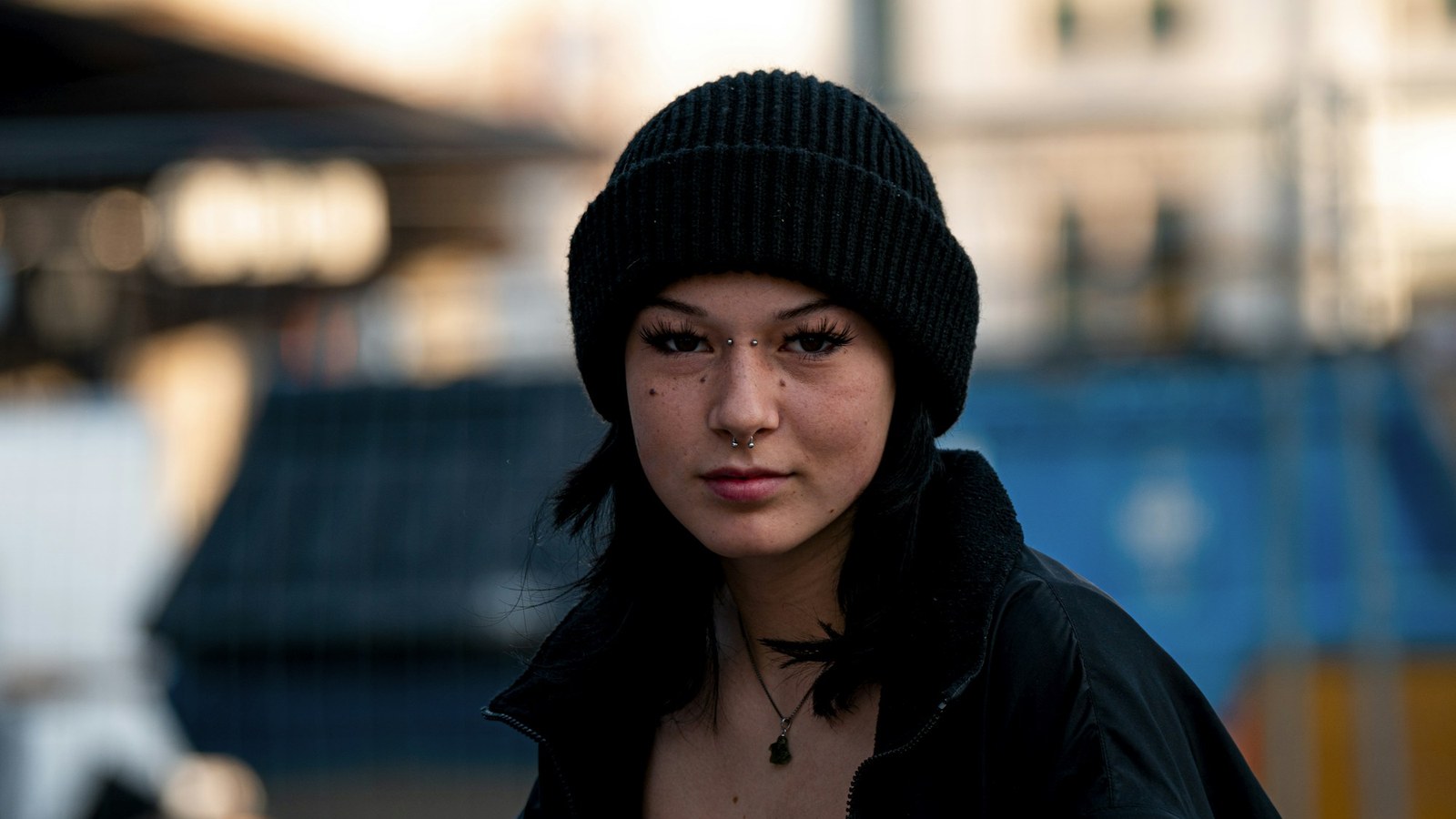
Zurich street style is more interesting when you stop expecting it to perform. The best looks are often built from restraint plus one disturbance: a severe coat with heavy boots, a simple black outfit with silver jewellery, a classic blazer with vintage denim, a perfect neutral wardrobe interrupted by a bright scarf, a technical bag against a tailored wool coat.
I pay attention to shoes first. Zurich is unforgiving about shoes because the city is made for walking. You see polished boots, clean sneakers, loafers, weather-aware soles and practical ankle boots more than fragile fantasy footwear. Then I look at the bag. A Zurich bag has to function. Crossbody shapes, structured leather, backpacks with design intelligence and durable totes all make sense here.
Outerwear is the final test. A strong Zurich outfit usually has a coat or jacket that does real work. It can be wool, trench, puffer, leather, technical shell or blazer, but it needs proportion. If you want a practical wardrobe reading, pair this article with my what to wear in Zurich guide. The clothes people actually wear are the foundation of the scene, not a less glamorous footnote.
A Small Style Scorecard For Reading The City
If you want to make the Zurich fashion scene more visible, use this quick field-note checklist the next time you walk through the city. It is not about judging people. It is about training your eye to notice the codes that make Zurich style different.
Zurich Fashion Scene Field Notes
The scorecard matters because Zurich style is rarely explained out loud. The city is not constantly announcing itself as fashionable. It reveals fashion through choices that are easy to overlook: the clean hem, the wool weight, the practical sole, the scarf colour, the way a bag sits against a coat. Once you see these details, the scene becomes much less quiet.
The Mistake Is Looking Only For Drama
If you arrive in Zurich looking for dramatic street fashion, you may leave disappointed. But that says more about the question than the city. Zurich does not usually dress for spectacle. It dresses for continuity. People want clothes that move through serious work, weather, public transport, dinner and private life without turning the wearer into a performance.
This does not mean the scene lacks creativity. It means creativity is often compressed. A sharper trouser shape. A better coat length. A vintage leather jacket instead of a new synthetic one. A Swiss-made bag. A silk scarf with colour. A small designer label. A puffer worn with discipline. A boot that changes the attitude of a plain outfit. Zurich fashion often asks you to read small signals.
That is a strength. In an online fashion culture addicted to immediate recognition, Zurich can teach a more durable skill: noticing. The city rewards people who understand fabric, proportion, maintenance and context. It is not anti-fashion. It is anti-noise.
Where I Would Send Someone To Understand The Scene
If someone had one day to understand Zurich fashion, I would not send them to one store. I would give them a route. Start on Bahnhofstrasse to understand polish and money. Then move into the Old Town for independent details and enSoie-style colour. Go to Im Viadukt and Zurich-West for design utility. Add one vintage or second-hand stop to understand how Zurich wardrobes circulate. End by watching people on trams, not only in shops.
This route matters because Zurich fashion is not stored in one district. It is distributed. The city centre shows status. The Old Town shows history and character. Zurich-West shows design and practical energy. Sustainable and second-hand spaces show how the city thinks about value. Street style shows the final edit: what people actually choose when nobody is writing a press release.
If you want to plan the route more practically, use a Zurich shopping map mindset. Separate the city by style mood and budget, and Zurich fashion becomes much easier to understand.
My Honest Take On Zurich Fashion
Zurich is not the loudest fashion city, and I do not want it to become one. Its value lies somewhere else. The city is good at making fashion grow up. It asks whether the coat works, whether the shoe can walk, whether the fabric survives, whether the bag is useful, whether the detail is worth keeping, whether the brand has substance beyond name recognition.
That can sound severe, but I find it freeing. Zurich does not demand endless novelty. It gives you permission to build a wardrobe slowly and sharply. The scene is at its best when it combines Swiss precision with personal warmth: a serious coat, a playful scarf, a durable bag, a small local designer, a vintage piece, a polished shoe, an outfit that says less and means more.
The Zurich fashion scene is not hidden because it is weak. It is hidden because you need the right eye. Once you stop looking only for runway drama, you can see the city clearly: luxury, restraint, design, sustainability, street practicality and a quiet insistence that clothes should earn their place in real life.
Read the scene through the newer field guides
The Zurich fashion scene makes more sense when you read it from several angles. For what people actually wear by district, continue with Zurich street style. For the wider Swiss and Italian comparison, read Zurich vs Geneva style. For local design identity, use the focused guide to Zurich fashion designers.
FAQ
What is the Zurich fashion scene known for?
The Zurich fashion scene is known for understated luxury, independent boutiques, Swiss designer labels, sustainable fashion, strong outerwear, practical street style and a restrained approach to status. It is polished but usually not loud.
Is Zurich a fashionable city?
Yes, but Zurich is fashionable in a quiet way. The city values quality, fit, maintenance, shoes, coats and useful bags more than obvious trend display. Its fashion scene becomes clearer when you look beyond luxury storefronts.
Where can I see Zurich street style?
You can read Zurich street style around Bahnhofstrasse, Old Town, Zurich-West, Im Viadukt, Kreis 4, Kreis 5, university areas and busy tram stops. The best observation point is ordinary movement, not only fashion events.
Who are important Zurich or Swiss fashion names?
Important names and entities include Akris, enSoie, FREITAG, QWSTION, Sara Schaer, Julian Zigerli and Julia Seemann. They represent different sides of Swiss fashion, from textile precision to colour, utility and independent design.
How is Zurich fashion different from Paris or Milan?
Zurich fashion is less theatrical and more practical. Paris and Milan often reward visible fashion performance, while Zurich rewards material quality, restraint, weather-aware dressing, clean shoes, excellent coats and subtle personal details.
The region’s textile roots run deep; see how St. Gallen embroidery still threads through Paris couture today.
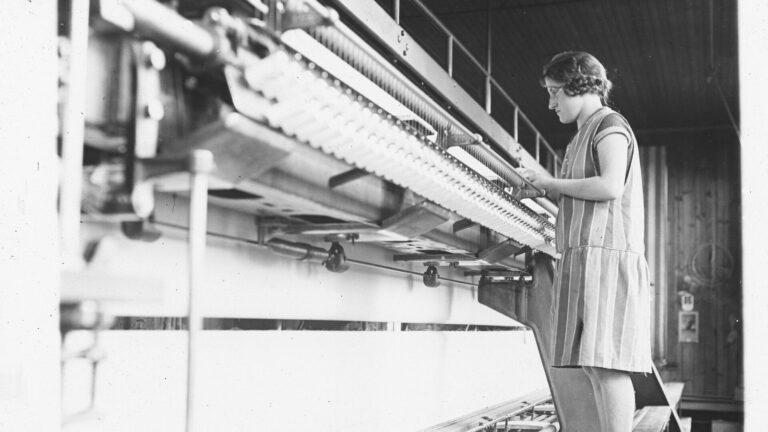
The city’s fashion instincts are inherited: the forgotten Zurich silk industry is where the fabric-first mindset began.
The scene has a bold, expressive side too: the Queer Fashion Show brings Zurich’s queer style culture to the runway.
For a sense of where the scene is heading, see Julian Zigerli’s FOREVERLI — fifteen years of a Zurich label, staged as theatre rather than a runway.
The scene is getting more international, too: ONULI brings 15+ African designers to Langstrasse for its pop-ups.