Where to Buy Clothes in Zurich Without Fast Fashion
Where to buy clothes in Zurich without fast fashion: start with fair-fashion shops for basics, second-hand stores for coats and special pieces, Zurich-designed bags for daily use, and repair or tailoring before buying something new. My honest rule is simple: if a piece cannot survive Zurich weather, tram commutes, office life and repeated wear, it is not a good buy, no matter how ethical the label sounds.
The Panic-Purchase Decoder
The fastest way back into fast fashion is not desire. It is panic: a dinner tomorrow, a bad-weather week, a work meeting, a body day, a suitcase problem. Zurich gives you better exits if you name the panic before you shop.
Open if you need something today
Buy the least dramatic solution: a layer, a shoe, a bag, a repair, or one second-hand piece. Do not let urgency redesign your whole personality by 6pm.
I do not treat no-fast-fashion shopping as a purity contest. Zurich is expensive, time is limited, and most people still need clothing that works on an ordinary Tuesday. The smarter question is not, “Where can I buy the most sustainable thing?” It is, “Where can I buy fewer mistakes?” That shift matters because many bad fashion purchases are not dramatic. They are the black trousers that bag at the knee, the synthetic knit that pills after three wears, the dress bought for one dinner, the cheap boots that turn rain into a punishment.
Zurich is good at exposing those mistakes. You walk. You layer. You move between polished offices, wet pavements, lake air, trams, old town cobblestones and overheated indoor spaces. A wardrobe has to perform here. That is why I prefer a practical route: buy fewer new pieces, choose better materials, use second-hand seriously, and spend money where longevity is visible.

The Zurich No-Fast-Fashion Route I Would Actually Use
If I had to rebuild a Zurich wardrobe without fast fashion, I would not begin with a shopping spree. I would begin with a map of needs. Basics need reliability. Coats need quality. Shoes need repairability. Bags need daily function. Special pieces can come from vintage or second-hand because they do not need to be trend-new to feel current.
The best route combines several kinds of shopping. For fair everyday pieces, I would start with RRREVOLVE and Kari Kari. For pre-loved fashion, I would use The New New, Caritas Secondhand and the vintage shops already covered in my best vintage shops in Zurich guide. For bags, I would look at Zurich brands and stores such as QWSTION, and for a stronger local style route I would connect this with Im Viadukt, independent boutiques and repair services.
| What you need | Best Zurich route | Why it works |
|---|---|---|
| T-shirts, knits, jeans | Fair-fashion stores | You can check fabric, fit and construction before committing. |
| Coats, blazers, leather pieces | Second-hand and vintage | Older quality often beats new trend-led pieces at the same price. |
| Work bag or daily backpack | Zurich-designed bag brands | Function matters in a city built around walking, trams and weather. |
| Lower-budget wardrobe gaps | Caritas, curated second-hand, swaps | Better for experimentation without feeding disposable fashion cycles. |
| Occasionwear | Rent, borrow, buy pre-loved | One-night outfits are where fast fashion tempts people most. |
Why Zurich Is a Good City for Buying Less
Zurich style is not loud. That can frustrate people who expect fashion to announce itself, but it is useful when you want to escape fast fashion. The city rewards clothes that are quiet, well cut and wearable across situations. A navy coat, black boots, a clean wool trouser, a proper white shirt or a structured bag will not look boring here. It will look considered.
This is why the best Zurich wardrobes often look smaller than they are. The pieces repeat, but they repeat intelligently. The same coat can work on Bahnhofstrasse, in Kreis 5, at dinner in Seefeld and on a train to Basel. The same boots can carry you through wet streets if they are good leather and have been protected properly. That repeatability is the opposite of the fast-fashion idea that every plan needs a new outfit.
I also think Zurich makes people more selective because bad purchases feel expensive here. A cheap synthetic dress that was “only” 39 francs is not cheap if it sits unworn. A coat that looks fine online but does not protect against wind becomes a daily irritation. A shoe that cannot be resoled becomes waste. The Zurich version of sustainable fashion is not dreamy. It is practical and slightly strict, which is exactly why it works.
Start with RRREVOLVE for Fair Basics and Everyday Pieces
RRREVOLVE is the most obvious first stop because it gives Zurich shoppers a direct alternative to the usual high-street formula. Zurich Tourism describes it as a store for fair fashion, sustainable products and eco design, with two Zurich locations and brands such as Veja, Armedangels, Colorful Standard, Nikin, Sandqvist and Qwstion. That matters because a good no-fast-fashion wardrobe needs boring things too: T-shirts, jeans, sweaters, socks, sneakers and jackets that do not collapse after one season.
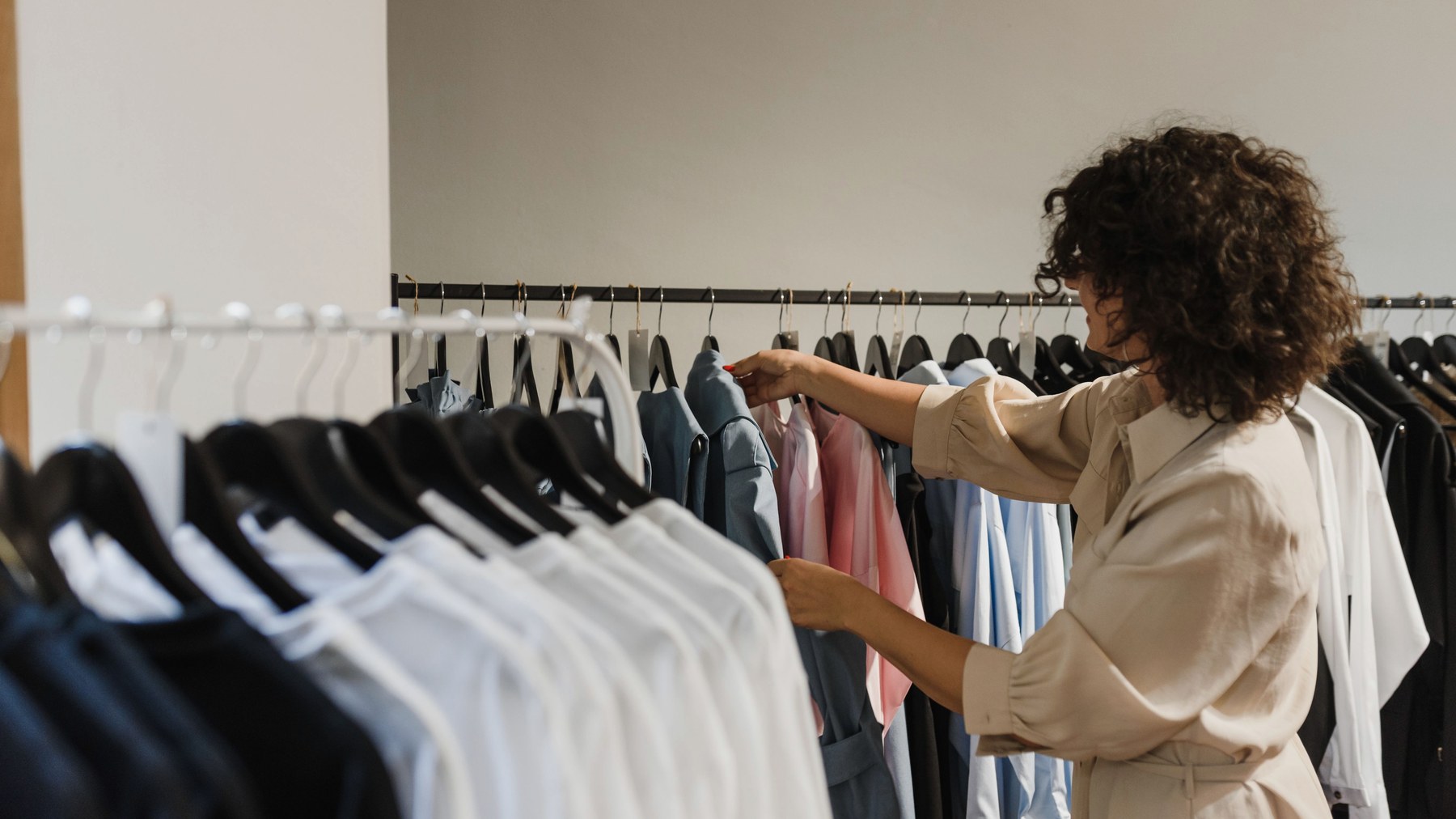
My advice is to use a store like RRREVOLVE for the pieces where you would otherwise be tempted by fast fashion because they seem too ordinary to think about. Basics are where most wardrobes quietly fail. A cheap T-shirt loses its shape. A cheap knit pills. Cheap denim stretches out and then never feels sharp again. If you upgrade only the items you wear weekly, you change the whole rhythm of your wardrobe.
Do not go in looking for a moral halo. Go in with a list. White T-shirt. Black knit. Jeans. Rain-friendly sneaker. Simple sweater. Try the pieces on and look at seams, opacity, fabric recovery and whether the color fits what you already own. The most sustainable purchase is often the least exciting one because it becomes the piece you wear fifty times.
Use Kari Kari When You Want Slow Fashion with Personality
Kari Kari is useful when you want slow fashion that still feels personal. Kreislauf 345 lists the shop at Kalkbreitestrasse 43 and describes its focus on slow fashion, timeless modern pieces and high-quality products intended to be enjoyed longer than a single seasonal trend. This is the kind of framing I like because it does not pretend that clothes are only functional. We still want charm, cut, color and identity. The point is to choose those things with discipline.
For Zurich readers, Kari Kari makes sense for pieces that need more character than a plain basic: a blouse with a better sleeve, a dress that can be styled down, knitwear with texture, a practical but pretty accessory. I would not treat it as a place to buy everything. I would treat it as a place to buy the piece that stops a responsible wardrobe from becoming dull.
The mistake many people make with sustainable fashion is buying a beige version of something they never wanted. That is not sustainability. That is guilt shopping. A better slow-fashion piece should feel more like you, not less. It should make your existing wardrobe easier to wear, not demand a whole new wardrobe around it.
Take Second-Hand Seriously, Not as a Backup Plan
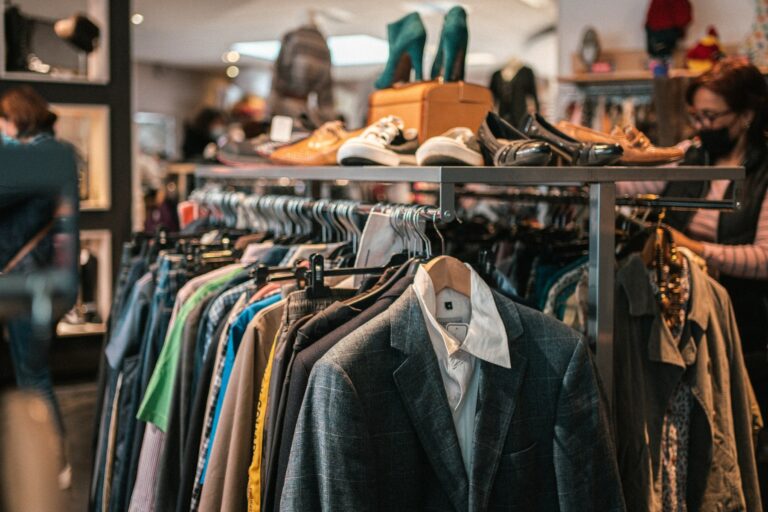
Second-hand shopping in Zurich is not just for bargain hunters. It is one of the strongest ways to avoid fast fashion because it gives you access to older materials, better tailoring and more interesting silhouettes. I especially like second-hand for coats, blazers, leather bags, silk shirts, wool trousers and occasion pieces. These categories age well when the quality is there.
Use my best second-hand clothes shops in Zurich guide as the practical route, then adjust by budget and patience. Curated second-hand is easier if you want pieces already filtered by style. Charity second-hand is better if you have time and an eye. Vintage boutiques are best when you want personality or designer quality. None of these routes is perfect every day, which is why repetition matters. You build second-hand skill by returning, not by expecting one magical visit.
When I judge a second-hand piece, I look for three things before I even think about styling: fabric content, condition and alteration potential. A wool blazer with a slightly dated button can be transformed. A polyester blouse with a damaged seam is rarely worth the effort. A leather bag with patina can look better with age. Faux leather that is peeling has already reached the end.
Use Caritas for Budget, Not Compromise
Caritas Secondhand Zurich is important because sustainable shopping cannot only be for people with large budgets. Caritas Zurich says it operates six second-hand stores in the canton and checks about 170 tons of clothing each year for condition and cleanliness. The point is not only low price. It is circulation. Clothes stay in use, and the proceeds support social projects for people affected by poverty in the canton.
The smart way to shop Caritas is to go with categories, not fantasies. Look for wool coats, men’s shirts, scarves, belts, denim, simple knitwear and leather accessories. Try not to get distracted by novelty. Low price can make people less selective, but that defeats the purpose. A five-franc mistake is still clutter. A twenty-franc wool scarf you wear all winter is a win.
Caritas is also where I would send anyone who thinks avoiding fast fashion has to mean buying expensive new sustainable brands. It does not. Sometimes the best choice is already in circulation. Zurich has enough high-quality clothing moving through closets that second-hand should be a first option, not a last resort.
Buy Zurich Bags When Function Matters More Than Trend
One of the easiest categories to improve without fast fashion is the daily bag. Zurich is a bag city because people walk, commute, cycle, work from cafes, carry laptops and move through weather. A decorative bag that cannot handle real life becomes annoying fast. This is where Zurich-designed brands have an advantage: they understand function as part of style.
QWSTION’s Zurich store describes repair services and a focus on product longevity, which is exactly the kind of detail I want to see before recommending a bag. A bag is not sustainable just because the material story is interesting. It has to be used often, repaired when possible and fit the life you actually lead.
For a Zurich wardrobe, I would rather own one excellent daily bag than five almost-right bags. Look for comfortable straps, a shape that does not collapse, hardware that feels solid, a color that works with your outerwear and enough weather resistance for ordinary rain. If you carry a laptop, do not compromise on structure. If you walk a lot, do not compromise on comfort. Style is not separate from function here.
Use Independent Boutiques for the Piece That Makes the Wardrobe Yours
Not every no-fast-fashion purchase has to announce sustainability. Sometimes the better choice is an independent Zurich boutique where the buying is more edited, the quantities are smaller and the pieces have a clearer point of view. This is why I keep linking readers back to the best fashion boutiques in Zurich. Independent boutiques are not automatically sustainable, but they can help you escape mass sameness.
The trick is to be stricter in boutiques, not looser. A beautiful store can make everything look like a good idea. Ask yourself whether the piece works with three things you already own. Check whether the fabric suits Zurich weather. Imagine wearing it on a normal weekday, not only in the store lighting. If you cannot picture it leaving the fantasy of the boutique, it probably does not belong in your wardrobe.
I like boutiques for one strong piece per season: a jacket, a knit, a shirt, a skirt, a shoe, a bag. One thoughtful purchase can refresh everything around it. Five impulsive purchases recreate the same fast-fashion behavior at a higher price.
What I Would Buy New, Second-Hand and Never Again
Not every category has the same best route. I prefer new for underwear, socks, some T-shirts, technical rainwear and shoes when fit or hygiene matters. I prefer second-hand for coats, blazers, silk, wool, leather bags, belts and occasionwear. I avoid buying trendy synthetic pieces that need perfect styling to look good, because those are usually the first things to become wardrobe regret.
If you are trying to stop using fast fashion, start with the categories you buy most often. For many people, that means tops, dresses, denim and shoes. Do not aim for a perfect ethical wardrobe overnight. Aim to interrupt the repeat mistakes. If you always buy cheap black trousers and hate them, buy one better pair. If you keep buying dresses for events, try second-hand first. If you keep ordering shoes online and returning half of them, go to a real shop and walk in them.
This is where Zurich’s slower retail culture can help. Shops close earlier than in many global cities. Sundays are quiet. You cannot shop endlessly at every hour, and that can become a discipline. Let the pause work for you. If you still want the piece tomorrow, next week and after trying it with your own coat, it is more likely to be real desire.
A Practical One-Day Route in Zurich
If you want a realistic route, I would start near Zurich HB and decide what kind of gap you are filling. For fair basics, go toward the RRREVOLVE universe around the main station and Niederdorf. For second-hand and vintage, build a route through Kreis 5, Kreis 4 and the shops in my second-hand guides. If you want independent labels or design-led shopping, add Im Viadukt and the boutiques around Zurich West.
Do not try to do everything. A good slow-shopping day has fewer stops than a tourist shopping day. Three or four shops are enough if you actually try things on, check labels, compare materials and take breaks. I would rather spend twenty minutes deciding whether a jacket fits properly than visit eight more shops in a panic.
Pair this route with the wider Bahnhofstrasse Zurich shopping guide if you want to understand the contrast between luxury retail and slower alternatives. Bahnhofstrasse is not the enemy. It simply teaches a different lesson: polish, display and aspiration. The no-fast-fashion route asks a better question: what will you still wear when the display disappears?
How to Judge a Piece Before You Buy It
My Zurich test is practical. First, read the fabric label. Wool, cotton, linen, silk and better technical materials usually give you more long-term possibilities than thin acrylic or shapeless polyester. Second, check the seams. Third, move in it. Sit down, raise your arms, walk, button the coat, close the bag, bend in the trousers. A piece that only works while standing still in a changing room is not ready for Zurich life.
Then check wardrobe compatibility. Can you wear it with your coat? Can you wear it with your shoes? Does it match the way you actually spend your week? Many people buy for an imaginary self who attends more dinners, wears more heels, has more patience for ironing and never gets caught in rain. Zurich will expose that fantasy quickly.
Finally, ask about care. If a piece requires dry cleaning after every wear, be honest about whether you will do that. If the shoes need protection, buy the protection. If the trousers need hemming, calculate that into the price. Sustainable shopping includes maintenance. Without care, even good pieces become waste faster than they should.
The Mistakes That Keep People Trapped in Fast Fashion
The first mistake is buying for price alone. Cheap is not the same as good value. The second mistake is buying sustainable pieces that do not match your style. If you never wear earth tones, do not buy earth tones because they look ethical. The third mistake is thinking second-hand means automatic quality. It does not. You still need judgment.
The fourth mistake is replacing overconsumption with expensive overconsumption. A wardrobe full of responsible labels can still be too full. The goal is not to own many better things. The goal is to own enough good things. Zurich style, at its best, understands that restraint can look more confident than constant novelty.
The final mistake is shopping without repair in mind. Tailors, cobblers, leather care, knitwear combs, good hangers and proper storage are not glamorous, but they extend the life of clothes. If you want to buy clothes in Zurich without fast fashion, maintenance is part of the shopping strategy.
My Bottom Line
The best place to buy clothes in Zurich without fast fashion is not one shop. It is a system. Use fair-fashion stores for reliable basics, second-hand for quality and character, local design for functional bags, independent boutiques for personality and repair services to keep pieces alive. Zurich does not need a huge wardrobe. It needs a disciplined one.
If you are starting from zero, do not overhaul everything. Replace the next fast-fashion purchase with one better decision. Then do it again. Over time, your wardrobe becomes calmer, stronger and more yours. That is the version of sustainable fashion that feels most Zurich to me: less performance, more substance.
This connects to the bigger question of ethical fashion in Zurich and where to buy better overall.
FAQ: Buying Clothes in Zurich Without Fast Fashion
Where should I start if I want to avoid fast fashion in Zurich?
Start with the category you buy most often. If you need basics, try fair-fashion shops such as RRREVOLVE or Kari Kari. If you need coats, blazers or bags, check second-hand and vintage first. If you need a daily bag, look at Zurich-designed options with repair or longevity in mind.
Is sustainable fashion in Zurich expensive?
It can be, but it does not have to be. New fair-fashion pieces often cost more than fast fashion, but second-hand shops, Caritas and vintage routes make lower-budget sustainable shopping possible. The real calculation is cost per wear, not only the price tag.
What should I buy second-hand in Zurich?
Second-hand is especially strong for wool coats, blazers, leather bags, belts, silk shirts, scarves, occasionwear and well-made denim. Check fabric content, condition and whether alterations would make the piece better.
Which Zurich shopping areas are best for slower fashion?
Kreis 5, Kreis 4, Niederdorf and Im Viadukt are useful for a slower route because they combine independent shops, second-hand options, fair-fashion stores and design-led retail. Bahnhofstrasse is better for comparison and luxury reference points than for a no-fast-fashion starting point.
How do I stop impulse buying clothes?
Use a three-outfit rule. Before buying, name three outfits you can make with pieces you already own. Check the fabric, move in the garment, consider care costs and wait a day if you are unsure. In Zurich, a piece has to work in real life, not only in store lighting.