Beyond the Runway: Zurich’s Queer Fashion Show & Personal Style
On 18 September 2026, Zurich’s Queer Fashion Show turns Labor5 into a runway that argues fashion needs no rules – only personality, courage and colour.
Fashion sociology explores clothing as a social language. It looks at how style reflects identity, class, status, culture, gender, aspiration, and belonging. Fashion is never only about fabric or trends; it shows how people want to be seen and how society creates ideas of taste, beauty, and success.
In this category, Zurich Fashion Blog looks beyond outfits and shopping. You will find articles about trend cycles, fast fashion, luxury, consumer behaviour, social media influence, and the psychology behind what we wear. Zurich adds a special perspective because its style culture is refined, discreet, international, and shaped by Swiss values of quality and restraint.
This section is for readers who want to understand fashion with more depth.
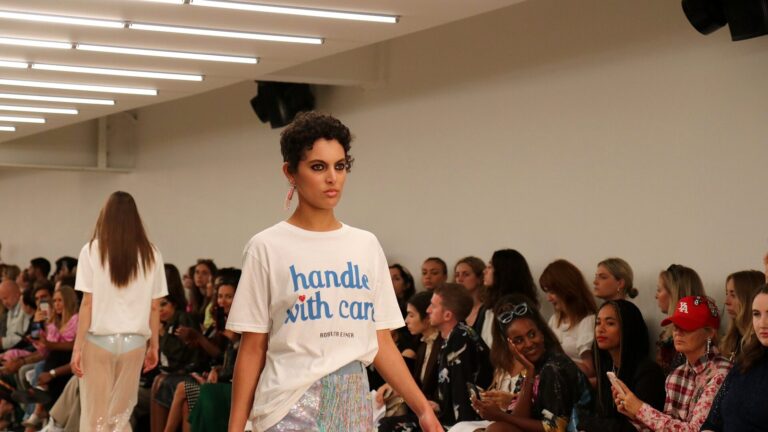
On 18 September 2026, Zurich’s Queer Fashion Show turns Labor5 into a runway that argues fashion needs no rules – only personality, courage and colour.
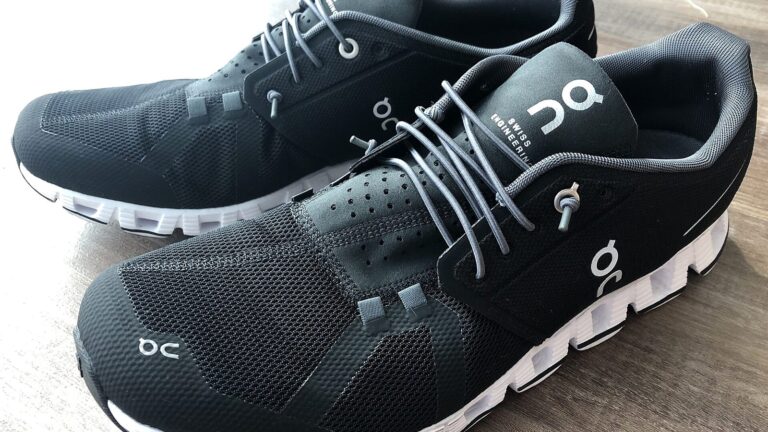
A garden hose, three founders and Roger Federer built On into a $3bn brand. How the Zurich sneaker took over its home city – and why it fits so perfectly.

Feed the bin, feel virtuous, walk away. But donated clothes in Switzerland travel three continents. The sourced journey from Texaid container to Accra.

Swiss Made clothing must earn its label: 60% of costs plus the essential step in Switzerland. What the law demands, what it exempts, and how to check.
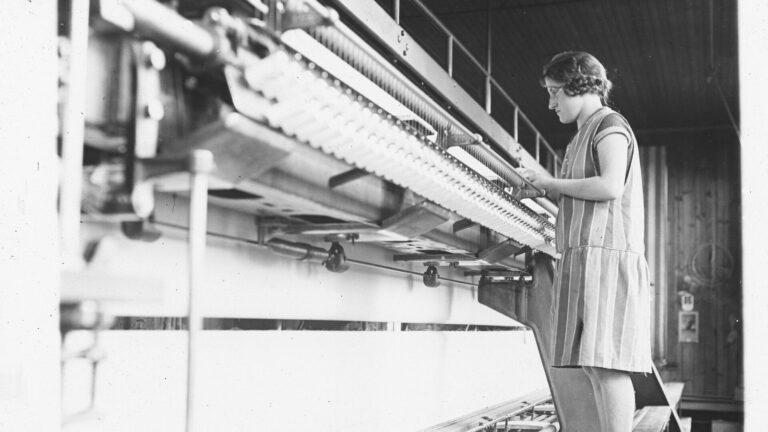
Around 1910, St. Gallen embroidery was 18% of all Swiss exports and half the world’s supply. Today it hides in plain sight at Chanel, Dior and Akris.
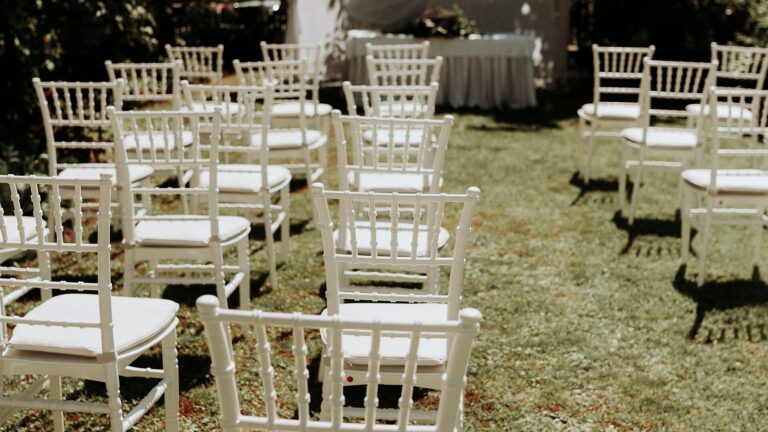
Swiss invitations rarely print a dress code, and that silence is the test. The Swiss wedding dress code decoded: venues, colours, shoes and the apero.
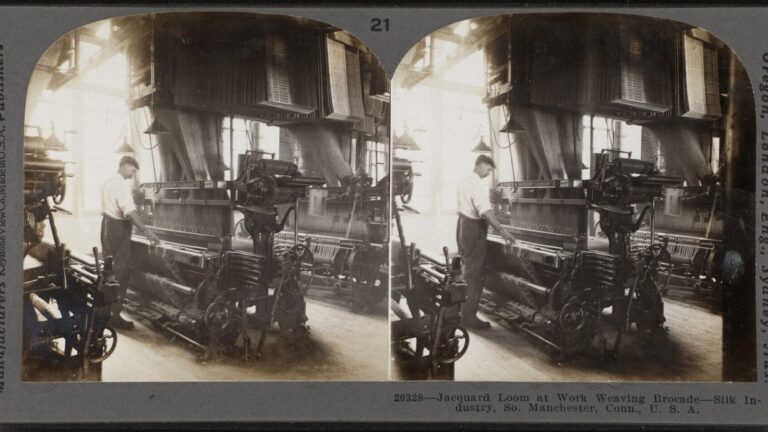
For decades the Zurich silk industry was second only to Lyon. Refugees, black taffeta, 12,000 weavers – and the banks and dress codes the loom built.
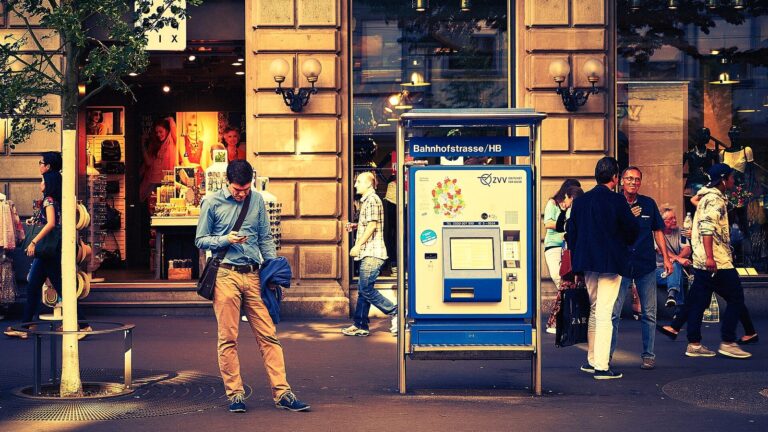
What does Bahnhofstrasse street style really look like? A field report on the sneakers, colours, logos and bags Zurich’s most famous street wears now.
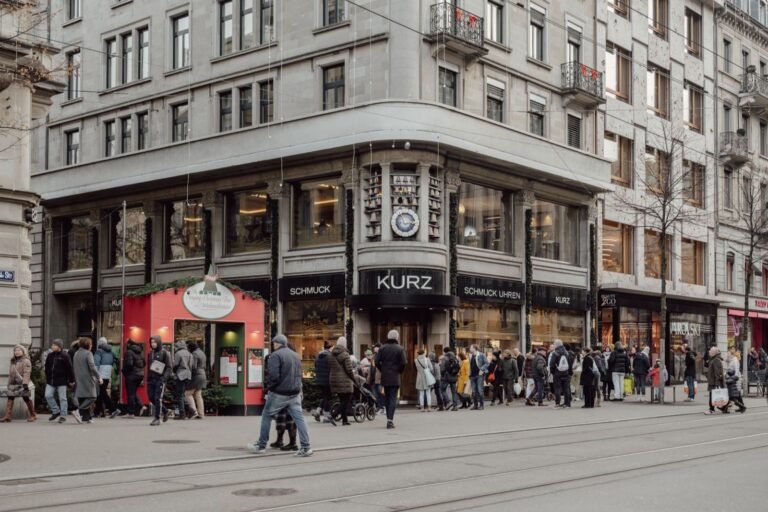
Zurich vs Geneva style compared with Milan: how Swiss restraint, French-Swiss polish and Italian fashion confidence change the same budget.

Fast fashion poor people argument explained: how poverty, class and overconsumption shape the ethics of cheap clothing.