Ethical Fashion Zurich: Where to Buy Better Clothes
Ethical fashion Zurich is best approached as a route, not a slogan: start with RRREVOLVE when you want the broadest fair-fashion edit, use Changemaker for ethical gifts and softer wardrobe pieces, go to QWSTION or FREITAG when the real need is a durable bag, and add second-hand or repair whenever a new purchase would only make your wardrobe heavier. The most ethical choice in Zurich is not always the greenest-looking product; it is the piece you will actually wear, maintain and keep.
Asel’s 30-Second Shop Door Test
The moment I distrust an ethical-fashion shop is not when it sells something expensive. It is when every object seems to ask for applause. Before I touch a rail, I ask one awkward question: am I here because I need a better piece, or because I want a cleaner feeling?
Open this before buying anything new
If the item solves a named gap, survives Zurich weather, works with three outfits you already own and still appeals without the sustainability story, keep looking. If it only makes you feel temporarily virtuous, leave it on the hanger. Ethical shopping should calm the wardrobe, not feed it.
I am strict about this because Zurich can make conscious shopping look more elegant than it really is. A calm boutique, natural colours and a recycled-material label can soften your judgement. But ethical fashion is not a mood board. It is a set of decisions about labour, materials, use, repair, longevity and restraint. If you buy five “responsible” pieces because the shop smells like cedar and looks morally clean, the problem has simply learned better branding.
This guide is deliberately different from my wider post on sustainable fashion brands in Zurich. That article is the brand-and-shop pillar. This one is a shopping method: where to go, what to ask, what to avoid, and how to decide whether a purchase is truly better or just beautifully justified.
The Short Ethical Fashion Route I Would Actually Use
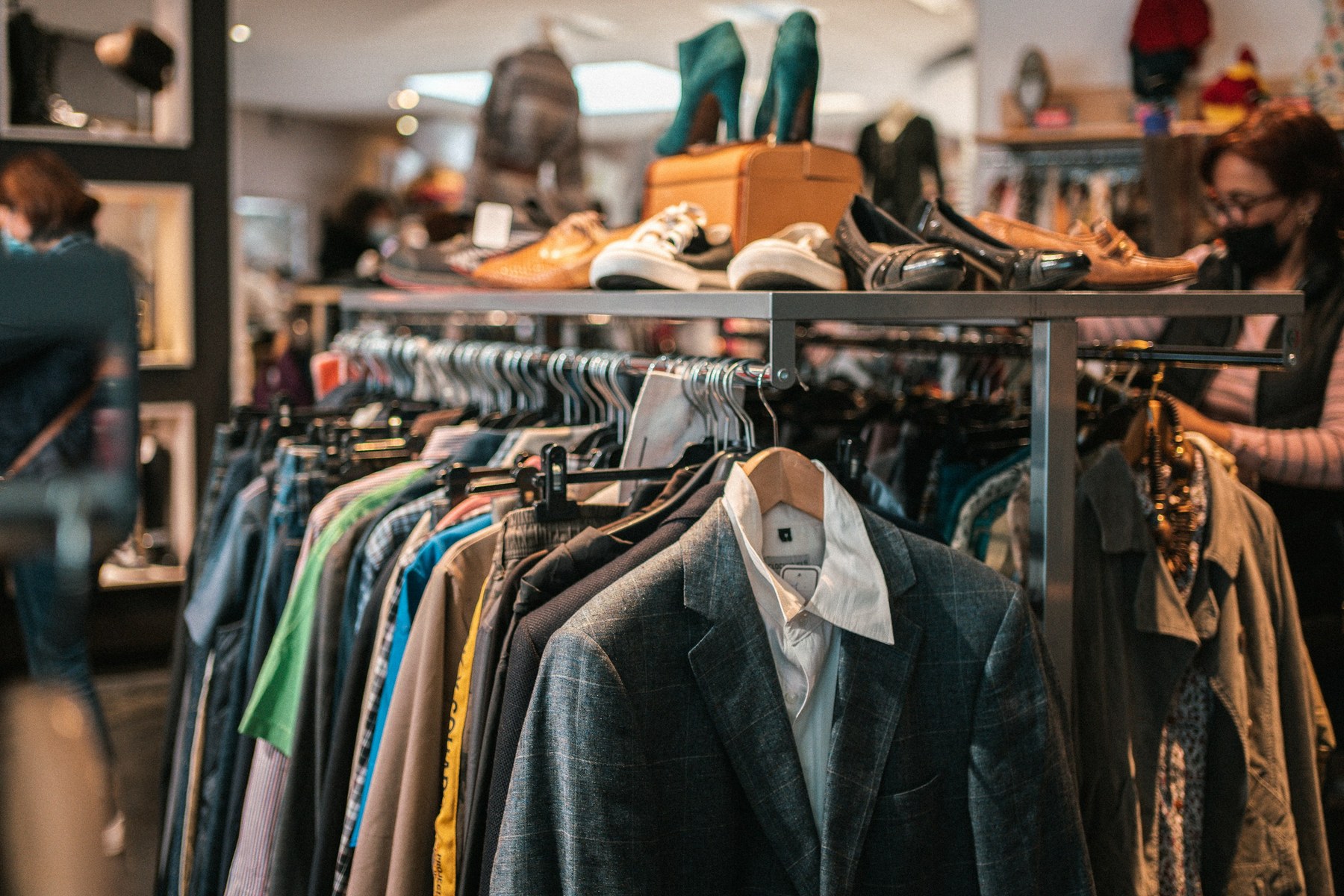
If I had one focused afternoon for ethical shopping in Zurich, I would not try to visit every sustainable-looking store. I would build the route by need. First, I would check whether I need a new item at all. If the answer is yes, I would define the category before entering a store: shoes, denim, knitwear, bag, coat, gift, work basic, weather layer. Ethical shopping becomes much cleaner when the category is fixed.
For clothes, I would start with RRREVOLVE because it has the broadest fair-fashion logic. For gifts, scarves, small lifestyle items and softer pieces, I would add Changemaker. For a bag that needs to survive Zurich commuting, I would compare QWSTION and FREITAG. For anything trend-led, I would pause and check second-hand first. For anything I already own in a damaged version, I would repair before buying.
Zurich rewards this kind of disciplined shopping. The city has enough conscious stores to give you options, but not so many that you need to turn the search into a full-time ideology. The goal is not to become perfect. The goal is to buy with a better eye and fewer excuses.
Ethical Fashion Zurich: Best Routes By Need
This table is the practical version of the article. It keeps the focus on search intent: where should you go if you want ethical clothes in Zurich, and how do you avoid buying something merely because it looks responsible?
| Shopping Need | Best Zurich Route | What To Look For | Mistake To Avoid |
|---|---|---|---|
| Everyday fair-fashion clothes | RRREVOLVE | Clear brand standards, wearable basics, denim, sneakers, jackets | Buying another basic before checking whether it solves a real gap |
| Ethical gifts and softer wardrobe pieces | Changemaker | Fairly produced goods, scarves, T-shirts, accessories, objects with story | Treating every beautiful object as a moral purchase |
| Durable city bag | QWSTION or FREITAG | Repairability, weather use, weight, laptop fit, materials, comfort | Buying a sustainable bag that annoys you every day |
| Better value on a smaller budget | Second-hand first, then ethical stores | Fabric, condition, fit, repair potential, cost per wear | Assuming new ethical fashion is always the most responsible option |
| Wardrobe reset | Closet edit, resale, repair, then targeted purchase | Repeated colours, unworn categories, bad fabrics, wrong fantasy sizes | Using ethical shopping to avoid learning from old mistakes |
What Ethical Fashion Means In Zurich
In Zurich, ethical fashion has to pass a practical test. The city is too expensive and too weather-aware for fragile virtue. A piece should make sense on a tram, in rain, at work, on a lake walk, in a restaurant and inside a wardrobe that probably already has enough black, navy, denim and wool. If it cannot survive real life, the ethical claim feels incomplete.
For me, ethical fashion has four layers. First, labour: who made the item, under what conditions, and whether the brand can speak clearly about production. Second, materials: organic, recycled, plant-based, upcycled or durable natural fibres can matter, but only when they fit the product. Third, use: will you wear it often enough to justify the resources? Fourth, afterlife: can it be repaired, resold, recycled or kept in circulation?
This is why Zurich is an interesting city for the topic. The local style language already prefers longevity. A good coat, clean shoe, useful bag and restrained colour palette can be worn repeatedly without looking tired. Ethical fashion does not need to fight Zurich style. It can refine it.
RRREVOLVE: Best First Stop For Fair Fashion Basics
Zurich Tourism lists RRREVOLVE as a fair-fashion, sustainable-product and eco-design store with two Zurich locations, including Niederdorfstrasse 17 and Zollstrasse 117. It notes that shoppers can find sneakers, jeans, dresses, sweaters and jackets from brands such as Veja, Armedangels, Colorful Standard, Nikin, Sandqvist and QWSTION. That makes RRREVOLVE the most useful first stop when someone says, “I want ethical fashion in Zurich, but I do not know where to begin.”
What I like about RRREVOLVE as a category is that it makes ethical shopping feel normal. You are not only buying a statement piece. You can look for denim, trainers, outerwear, sweaters and everyday layers. This matters because most wardrobes are built from ordinary repetition, not dramatic purchases. The ethical version of style is often boring in the best way: the jeans you wear twice a week, the sneaker that replaces three bad pairs, the knit that does not collapse after one season.
My advice here is to enter with a gap, not a feeling. If you need shoes, look at shoes. If you need a winter layer, look at layers. If you are only there because you want to feel like a better consumer, leave and come back with a list. RRREVOLVE is strong, but no store can protect you from your own impulse logic.
Changemaker: Best For Ethical Gifts, Scarves And Small Wardrobe Additions
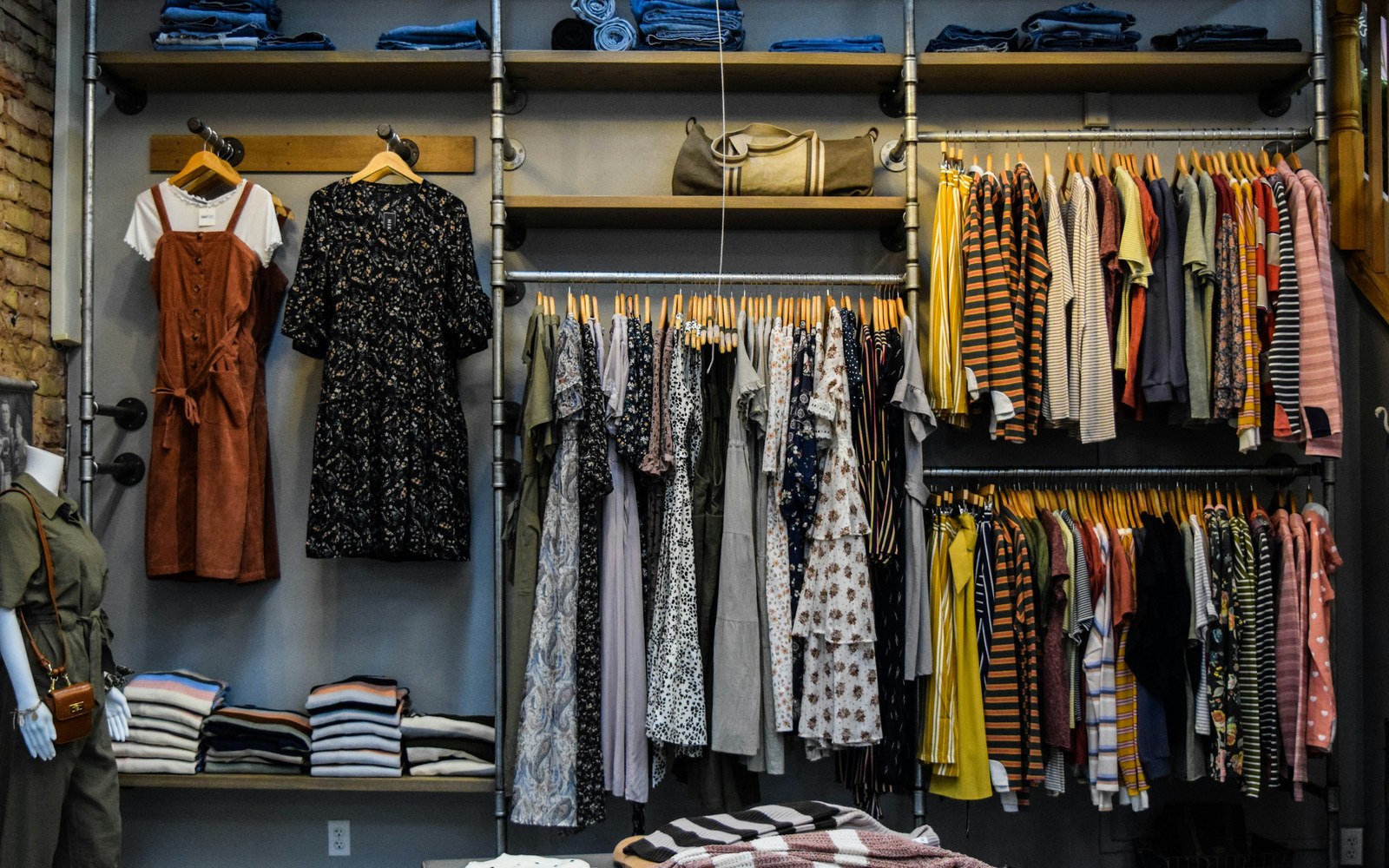
Zurich Tourism describes Changemaker as a place where ethics and aesthetics meet, with fairly and sustainably produced goods in the Old Town and on Europaallee. The range is broad: T-shirts, fine wool scarves, ceramics and other objects for living. That breadth is useful, but it also needs discipline. A store with many beautiful ethical objects can still tempt you into buying things you do not need.
I see Changemaker as a good stop for gifts, scarves, small accessories and thoughtful wardrobe additions rather than a full wardrobe rebuild. If you need a present that does not feel disposable, it can work well. If you want a soft scarf, an object with a story or a small piece that adds warmth to a restrained Zurich outfit, it is a logical stop.
The danger is moral decoration. A product can be fairly made and still be unnecessary for you. I would ask: will this item be used often, or am I buying the story? Does the fabric feel good enough to keep? Does the colour fit my real wardrobe? Would I still want it without the ethical framing? If the answer is no, the responsible move is not to buy.
QWSTION: When The Ethical Purchase Is A Bag, Not Clothes
Sometimes the smartest ethical fashion purchase in Zurich is not clothing at all. It is the bag you carry every day. Zurich Tourism writes that QWSTION began in 2008 with the search for a bag that could combine the functionality of a sports backpack with the elegance of a classic business bag. It also notes that the Zurich flagship store carries selected items from brands sharing a passion for quality, timeless design and sustainable production.
This is very Zurich. A bag has to function across contexts: bike, tram, office, travel, laptop, rain, groceries, dinner after work. If an ethical bag is uncomfortable, too heavy, too precious, too small or impossible to clean, it fails the city test. I would rather see someone buy one durable, repairable, well-designed bag than three sustainable cotton tops that do nothing for the wardrobe.
When comparing bags, I would check weight first, then strap comfort, closure, laptop fit, weather tolerance, internal organisation and repair service. The most responsible bag is not the one with the most impressive material story; it is the one that will still be in use after the first excitement is gone.
FREITAG: Upcycling With Zurich Identity
Zurich Tourism calls the FREITAG bag one of the products that carries Zurich out into the world, and traces the first bag to 1993, when the Freitag brothers were inspired near Hardbrucke and began making bags from recycled truck tarpaulins. The Flagship Store near Hardbrucke, with its stacked freight-container tower, is not only retail. It is Zurich design culture made physical.
FREITAG is useful in an ethical-fashion guide because it forces a more complex question. Upcycling is not automatically elegant, and not every colourful tarp bag fits every wardrobe. But when it works, it works because the product has a strong relationship with Zurich: traffic, utility, cycling, industrial materials, durability and a refusal to make every object look polite.
My honest advice: do not buy FREITAG because you think you should. Buy it if the shape, colour, weight and personality fit your life. The best FREITAG bag looks like it belongs to the person carrying it. The worst one looks like a sustainable badge. The difference is not the brand. It is fit, use and self-knowledge.
Second-Hand Is Often The Most Ethical Option
Ethical fashion in Zurich should never mean “new, but nicer.” Sometimes the best answer is second-hand. If the item already exists and is in good condition, you avoid the resources of new production while often getting better quality for the price. That is especially true for coats, blazers, denim, leather belts, bags, wool knits and scarves.
For this reason, I would place second-hand before new ethical shopping for certain categories. If you want a wool coat, check resale first. If you want a silk scarf, check vintage. If you want denim and know your size, try second-hand. If you want designer leather but not new luxury, read my guide to luxury second hand Zurich before buying.
This is also where ethics becomes less glamorous and more honest. A second-hand item still has to fit. It still has to be in good condition. It still has to be worn. Buying second-hand clutter is not more ethical than buying new clutter. The goal is not to win moral points. The goal is to keep good things in use.
How To Spot Greenwashing In A Zurich Store
Greenwashing often sounds soft. “Conscious.” “Natural.” “Eco.” “Kind.” “Better.” These words are not useless, but they are not enough. A serious store or brand should be able to explain material, production, country of origin, certification where relevant, care, repair and why the product is expected to last.
My quick greenwashing test has five questions. What is the material? Where was it made? What makes the production better? How should I care for it? What happens if it breaks, pills, stretches or no longer fits? If the answer becomes vague after the first sentence, I become cautious. If the staff can explain clearly without sounding like a press release, I relax.
Zurich shoppers are often good at reading quality, but ethical language can still blur judgement. Do not let the label replace your hands. Touch the fabric. Check seams, buttons, zippers, lining, pockets and stretch recovery. A responsible claim cannot rescue a weak garment.
Ethical Purchase Checklist
What I Would Buy First
If someone is starting from an ordinary Zurich wardrobe, I would not begin with the most expressive piece. I would begin with the highest-use category. A better coat, better shoes, better bag, better knit or better pair of jeans will change daily life more than a poetic blouse worn twice. Ethical shopping should improve the part of your wardrobe that works hardest.
For Zurich, I would prioritise outerwear and shoes because the city makes them visible and necessary. Then I would look at bags, denim, knitwear and base layers. A good ethical wardrobe is not built from slogans. It is built from repeated usefulness. The piece you wear every week is where the ethics compound.
This connects naturally to my guide on what to wear in Zurich. The best ethical purchase is one that respects your actual climate, movement and routine. Buying a fragile pale trouser for a wet tram city may be beautiful, but it is not necessarily wise.
What I Would Avoid
I would avoid ethical fashion that depends too much on storytelling and too little on product. A moving founder story is not a fabric test. A certification does not automatically mean the cut suits you. A recycled material does not automatically make the item comfortable. A minimalist colour palette does not automatically make something timeless.
I would also avoid using ethical shopping as emotional compensation. If you feel guilty about fast fashion, the answer is not to buy a full new ethical wardrobe. The answer is to slow the cycle. Wear what you own. Sell or donate responsibly. Repair. Learn which fabrics you actually use. Then buy better with restraint.
If this hits a nerve, read my piece on the fast fashion poor people argument. Ethical fashion has a class dimension, and pretending otherwise makes the conversation weaker. Not everyone can buy new fair-fashion pieces. That is why second-hand, repair, care and buying less have to remain part of the ethical conversation.
A Zurich Ethical Shopping Walk
Here is the route I would suggest if you want a practical day. Start in the Old Town with Changemaker and RRREVOLVE Niederdorf. Keep the first part small: gifts, scarves, basics, sneakers, soft accessories, anything you can compare by touch. Then move toward the main station and Zollstrasse for the larger RRREVOLVE context. This gives you a fair-fashion base without turning the day into a vague browse.
After that, go toward Zurich-West for QWSTION and FREITAG if your need is a bag, or use the area as a design filter: does the item feel useful enough for this city? If the answer is no, do not force it. Zurich-West is good at exposing pretty objects that do not function.
If you still feel the urge to shop, add second-hand instead of another new store. My guides to best vintage shops in Zurich and best second-hand clothes shops in Zurich are useful here. New ethical fashion and pre-loved fashion should not be enemies. They are two routes toward the same goal: fewer careless purchases.
How This Avoids The Usual Sustainable-Shopping Trap
The usual trap is replacing fast overconsumption with slower overconsumption. The receipt looks better, the fabric story sounds nicer, the shop is calmer, but the wardrobe still grows for no reason. Zurich makes this trap especially tempting because many ethical stores are genuinely tasteful. You can persuade yourself that a purchase is “investment dressing” when it is really mood dressing.
My rule is simple: the more ethical the purchase claims to be, the more honest the need should be. If you cannot explain why this item belongs in your life, do not buy it yet. Waiting is not failure. Waiting is often the most underrated ethical action.
This is also why I keep linking ethical shopping to the broader where to buy clothes in Zurich without fast fashion question. The point is not to find a morally perfect shop. The point is to build a different relationship with clothes: slower, more precise, less addicted to novelty.
My Honest Bottom Line
Ethical fashion in Zurich is strongest when it is practical. RRREVOLVE is the best broad first stop for fair-fashion clothes; Changemaker works well for gifts, scarves and small ethical additions; QWSTION and FREITAG make sense when the real need is a durable bag; second-hand should be part of the route whenever a new purchase is unnecessary.
The deeper lesson is less comfortable: ethical shopping is still shopping. It can help, but it cannot replace restraint. The most stylish Zurich wardrobe is not the one with the most conscious labels. It is the one where every piece has earned its place through use, care and fit.
That is the standard I would use. Buy fewer things. Ask better questions. Touch the fabric. Check the care label. Repair before replacing. Let the shop inspire you, but do not let it decide for you. Zurich gives you enough good options; the harder work is becoming the kind of shopper who does not need all of them.
FAQ
Where can I buy ethical fashion in Zurich?
You can buy ethical fashion in Zurich at stores such as RRREVOLVE, Changemaker, QWSTION and FREITAG, depending on whether you need clothes, gifts, accessories or a durable city bag. Second-hand shops are also an important ethical option.
What is the best first stop for ethical clothes in Zurich?
RRREVOLVE is the best first stop for many shoppers because it offers a broad fair-fashion edit with clothes, shoes, denim, jackets and accessories from responsible brands.
Is ethical fashion always better than second-hand?
No. Second-hand can be the more ethical choice when the item already exists, is in good condition and fits your wardrobe. New ethical fashion is useful when second-hand does not solve the need.
How do I avoid greenwashing when shopping in Zurich?
Ask about material, production, care, repair and durability. Do not rely only on words such as conscious, natural or eco. A good ethical purchase should have clear information and strong product quality.
Is ethical fashion in Zurich expensive?
It can be more expensive than fast fashion, but the better question is cost per wear. A durable piece worn often can be better value than a cheaper item that loses shape or stays unworn.