
Swiss Wedding Dress Code: What to Wear as a Guest in 2026
Last updated: July 20, 2026.
The Swiss wedding dress code has a defining feature: it is almost never written down. Swiss invitations tend to tell you the time, the place and where to park, then trust you to work out the rest. That trust is the test. Having sat through my share of ceremonies here — garden, church, registry office, one memorable meadow at 1,600 metres — I can tell you the code is entirely decodable. You just need to read the venue and the clock instead of the card.
This guide covers the whole puzzle: the three kinds of Swiss wedding and what each expects, colours that are safe and colours that are ammunition, the seasonal traps, the mountain problem, and the apéro — the long, standing, prosecco-fuelled stretch that ruins more guest outfits than any rule ever could.
First, know which of the three Swiss weddings you are attending
Switzerland complicates the guest question in one specific way: only the civil ceremony at the registry office is legally binding, and any church or free ceremony can only happen after it. In practice, many couples split the two — a small civil signing with close family on one day, and the big celebration on another. So before you dress, establish which event your invitation actually covers.
| Wedding type | What it is | Typical formality | Safe call |
|---|---|---|---|
| Civil ceremony + lunch | Short registry-office signing, then a restaurant meal | Smart, not ceremonial | Elevated daywear: a good dress or a soft suit, no gown, no black tie |
| Church or free ceremony + evening party | The full celebration: ceremony, apéro, dinner, dancing | The dressiest Swiss occasion | Cocktail-level: midi or long dress; suit and tie for men |
| Mountain wedding | Chapel or meadow ceremony at altitude, often reached by cable car | Polished but practical | Flowing dress with flat or block heels; suit with optional tie and real soles |
Each row above is really the Swiss wedding dress code restated for one setting. If the invitation is vague, the venue answers for it. A Grand Hotel by the lake means dinner-level dressing. A Zunfthaus in the old town means classic and tailored. An alp with a cable-car timetable in the invitation means your shoes matter more than your outfit. And if you truly cannot tell, ask the couple — the Swiss consider a precise question far more polite than a wrong guess.
Decode the invitation — tap your wedding
Guidance from a serial guest, not law. Formality meter is my advice scale, 0–10.
Colours: what is safe, what is ammunition
Colour is where the Swiss wedding dress code differs most from Berlin or London. Swiss guests dress the way Swiss people dress generally — muted, fabric-first, allergic to shouting — and my notes on how people dress in Zurich apply to weddings almost unchanged. But weddings add a few specific colour rules, and they are worth taking literally.
| Colour | Verdict | The reasoning |
|---|---|---|
| White, cream, champagne, ivory | No. Not even “it’s basically beige” | That entire corridor belongs to the bride, including at civil ceremonies |
| Black | Yes, in Switzerland it is fine | Common and elegant here — lift it with colour in the accessories so it reads evening, not funeral |
| Muted colour: sage, dusty blue, terracotta, mauve | The sweet spot | Festive by Swiss standards, camera-friendly, offends nobody |
| Saturated red | Allowed, with self-awareness | One striking piece, quiet everything else — you will be in every photo |
| Big florals and prints | Yes, especially outdoors | Vineyard and garden weddings absorb pattern beautifully |
| Sequins and metallics | Evening only, and sparingly | A metallic shoe or bag, yes; a full sequin dress at a 2pm chapel, no |
If that table compresses to one sentence, it is this: in Switzerland you will never be wrong in a muted colour with one deliberate accent, and you will never fully recover from wearing cream. The quiet luxury instinct runs this country’s weddings too — spend on fabric and fit, not volume.
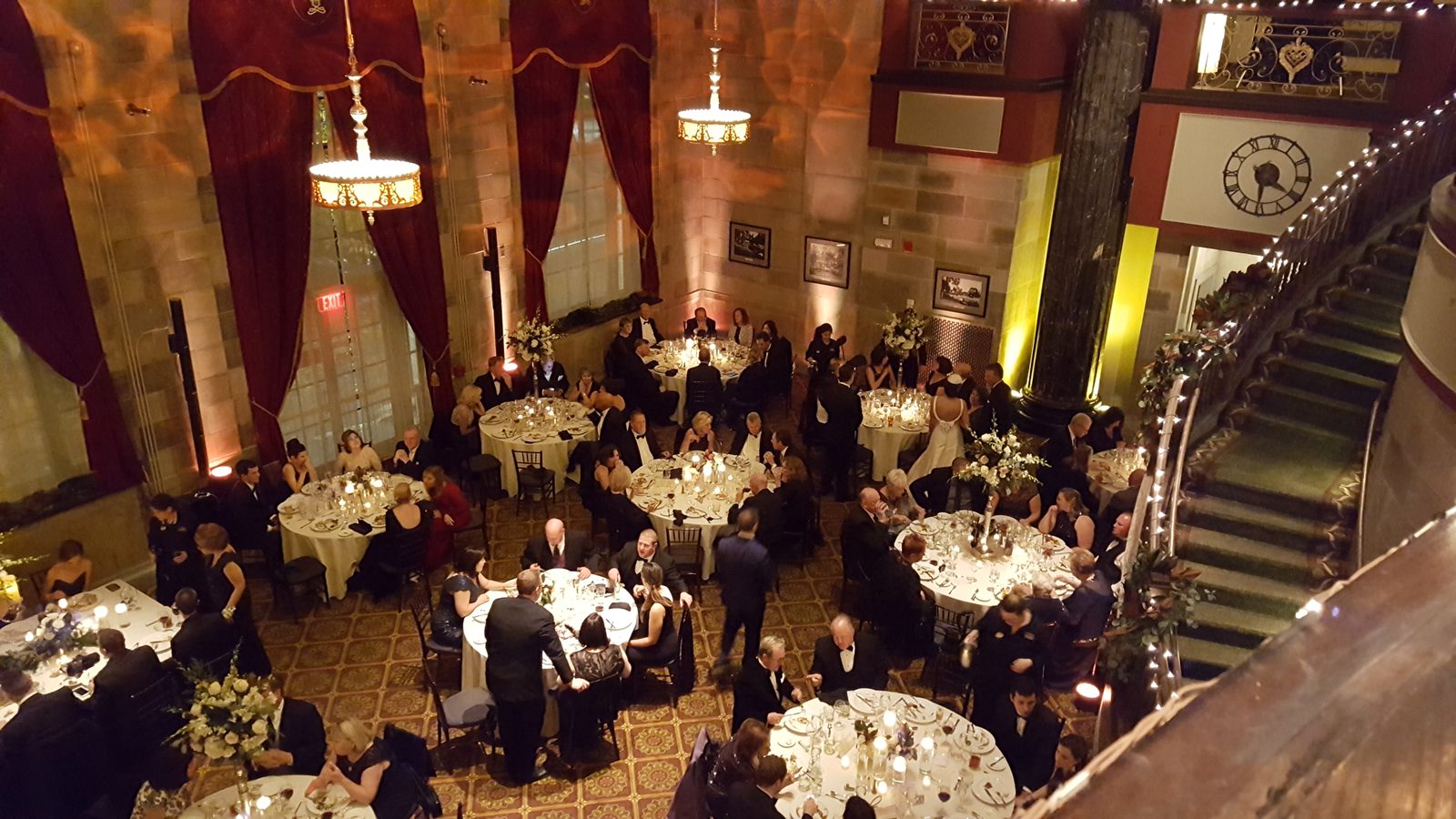
A Swiss wedding day has a shape — dress for the whole curve
The other half of the Swiss wedding dress code is timing. The classic full-day format runs ceremony, apéro, dinner, party — and each stage makes different demands. The chart below is how I brief friends who ask: formality peaks at dinner, but your shoes’ workload climbs all night.
The guest’s day, in two lines
An illustration of my advice, not a dataset. Plan the outfit for the whole curve, not the ceremony photo.
Guidance: formality rises from the ceremony to its peak at dinner, then relaxes at the party. Shoe strain rises continuously from ceremony through apero and dinner to its maximum on the dance floor.The stage everyone underestimates deserves its own confession box.
Which part of a Swiss wedding defeats the most guest outfits?
Plan for the apéro like an athlete. Shoes you can stand in for two hours on grass or gravel. A layer for when the sun drops behind the ridge at six. A bag small enough to hang off a wrist, because both hands will be occupied from the first prosecco onward. Nobody remembers who wore the highest heels; everybody notices who spent the apéro looking for a chair.
The seasonal traps, from lake-summer to raclette-winter
| Season | Fabrics and layers | Shoes | Watch out for |
|---|---|---|---|
| Spring (Apr–Jun) | Crepe, light wool, a real jacket — not a shrug of hope | Closed toe or elegant block heel | Sunny invitation, 12°C evening; rain plans that move the apéro indoors |
| Summer (Jul–Aug) | Linen blends, silk, flowing midi lengths | Block heels, wedges, dressy flats for lawns | Full sun at 15:00, mountain chill by 21:00 — bring the wrap anyway |
| Autumn (Sep–Oct) | Heavier silk, fine knit layers, velvet from October | Closed shoes, tights-friendly hems | The golden-light vineyard wedding that ends in fog |
| Winter (Nov–Mar) | Velvet, wool crepe, long sleeves — and a proper coat you will be photographed in | Boots to travel, heels in the bag | Snow between car and chapel; cloakroom queues |
Season changes the fabrics, never the logic: the Swiss wedding dress code stays venue-first all year. The through-line in every season is the swing between afternoon and evening temperatures — the same swing that shapes daily dressing here, which is why my Zurich layering guide doubles as wedding-guest homework. Switzerland does not do stable weather. It does views, and views come with wind.

Mountain weddings: the Swiss speciality that breaks visiting guests
A mountain wedding invitation is the one that panics guests from abroad, and the panic is misplaced — it is the easiest Swiss wedding dress code once you accept one reversal: build the outfit from the shoes up. Stilettos do not survive cable-car grates, cobbled chapel paths or meadows. A block heel, a dressy flat or an elegant ankle boot survives all three, and nobody at 1,600 metres has ever judged a guest for sensible soles.
From there it is simple. Women: a flowing midi that moves in wind rather than fighting it, plus a warm layer that belongs to the outfit — a cropped knit or wool wrap, not a hiking fleece over silk. Men: a suit with genuine soles, tie optional, and a knit or vest under the jacket for the summit. The couple chose the altitude; your job is to look like the view was your idea too.
What I actually wear, if you want the shortcut
My personal formula for the Swiss wedding dress code has three settings, refined over years of RSVPs. For a civil-plus-lunch: wide silk trousers, a fine knit, one strong earring, loafers with presence. For the full church-and-party day: a dusty-blue or deep-green midi with sleeves or a wrap, block heels, and a bag exactly big enough for phone, lipstick and the envelope. For mountains: the same midi, flat metallic sandals or ankle boots depending on season, and a cream wool wrap — the one place cream is allowed, on shoulders, at altitude, nowhere near the bride.
If you need to buy rather than repurpose, Zurich’s independents will out-dress the department stores for the money; start with my list of the best fashion boutiques in Zurich. And if the wedding is one stop in a longer Swiss visit, the same outfits flex for the city’s dressier occasions — see my guide to what to wear at Zurich events for the rest of the calendar.
FAQ: Swiss wedding dress code
Can I wear black to a Swiss wedding?
Yes. In Switzerland black is a normal, even elegant guest choice, especially for evening celebrations. Lift it out of funeral territory with colour or shine in the shoes, bag or jewellery. The only colours genuinely off-limits are white, cream, champagne and ivory.
Do Swiss wedding invitations state a dress code?
Usually not — the Swiss wedding dress code is implied rather than printed. Most couples assume guests will read the venue and the time of day — a lakeside hotel at 17:00 means cocktail-level dressing, a registry office at 11:00 means elevated daywear. When a code is printed, it is typically festive (festlich), and asking the couple directly is considered polite, not clueless.
Can I wear jeans or sneakers to a Swiss wedding?
No. Jeans and sneakers sit below the Swiss wedding dress code floor even for a civil ceremony; smart trousers or a dress is the minimum. Clean minimal sneakers only ever appear at explicitly casual parties, and even then a leather shoe reads better. When in doubt, overdress by half a step; Switzerland forgives that direction.
What shoes work for a mountain wedding?
Block heels, dressy flats or elegant ankle boots — anything with a genuine sole. You may be crossing cable-car grates, gravel and meadow within one hour. Stilettos are the single most regretted item at Swiss mountain weddings; bring them for the indoor evening if you must, but do not arrive in them.
Is a tie required for male guests in Switzerland?
For a church ceremony and formal dinner, wear one — you can loosen it once dancing starts. For civil ceremonies, vineyard and mountain weddings, an open collar with a proper suit is widely accepted. The suit itself is non-negotiable; the tie is the adjustable part.