St. Gallen Embroidery: The 18% Empire Behind Paris Couture
Last updated: July 20, 2026.
Somewhere in this season’s Chanel and Dior collections, there is fabric that took a train from eastern Switzerland. St. Gallen embroidery is fashion’s most successful open secret: a small city near Lake Constance that once supplied more than half the world’s embroidery, crashed harder than almost any industry in Swiss history, and then quietly reinstalled itself inside Paris couture — as the supplier, never the star. Very Swiss, that last part.
I went down this rabbit hole after writing about the Zurich silk industry, because the two stories are siblings: Zurich wove the silk, St. Gallen embroidered the fantasy on top. This is the eastern half of the family saga — the boom, the brutal bust, and the strange afterlife in which the world’s most famous designers depend on a city most of their customers could not place on a map.
A monastery, a machine, and a takeover of the world
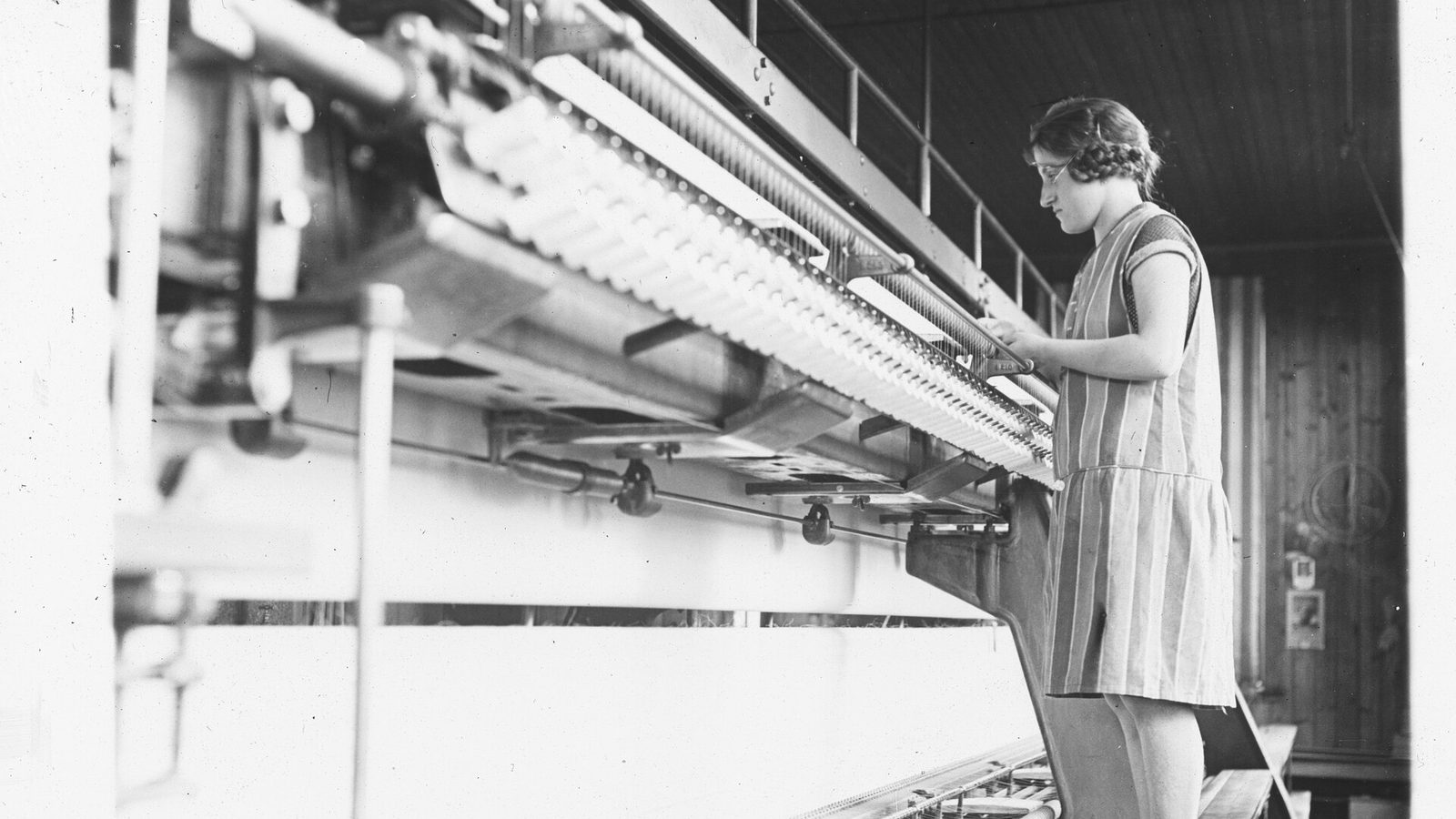
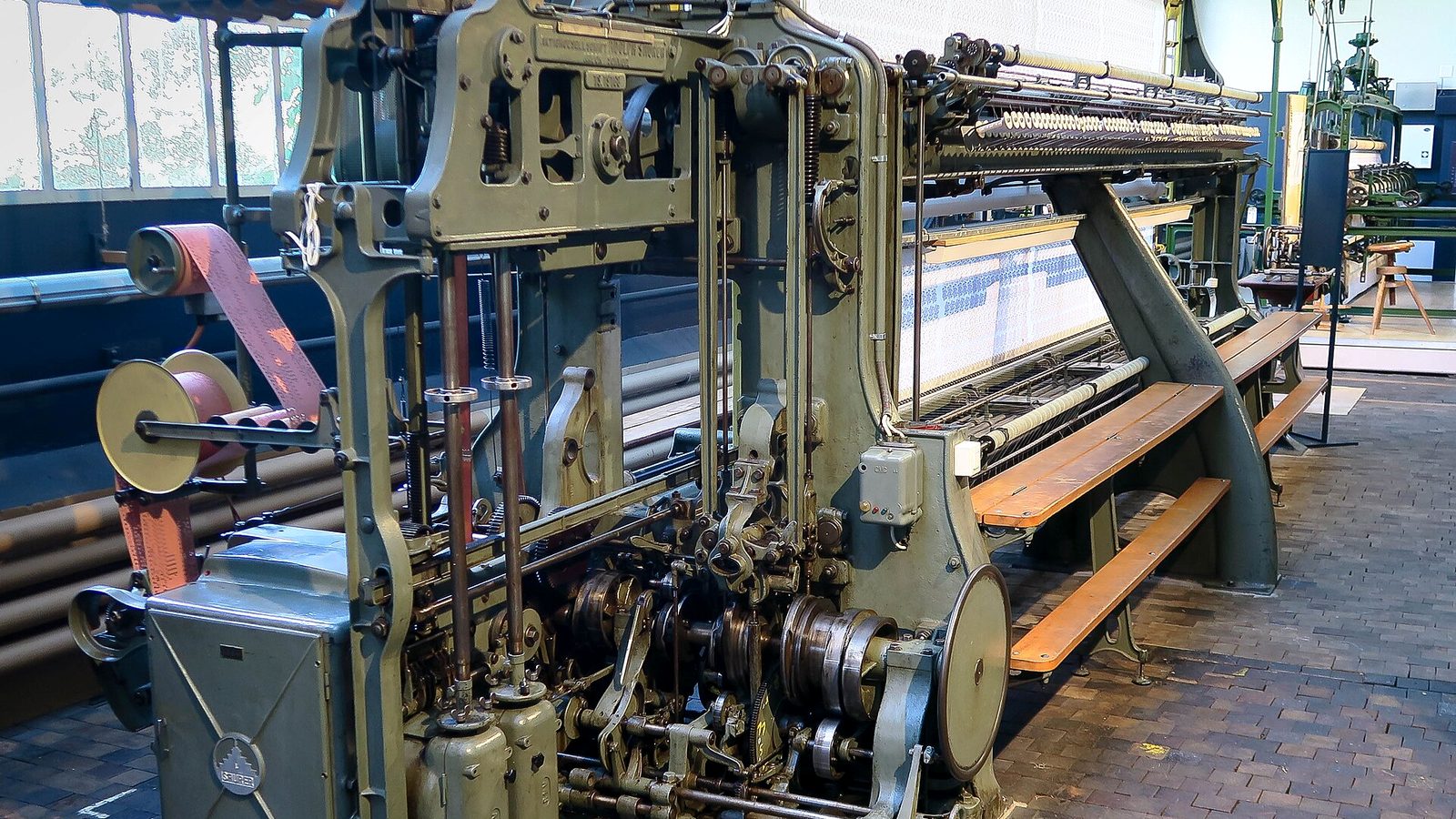
The region’s textile pedigree is absurdly deep: St. Gallen’s monastery was producing textiles as early as 825, and its merchants traded linen across Europe for centuries before anyone stitched a flower on anything. Linen gave way to cotton, and then, around 1850, came the machine that changed everything: the hand embroidery machine, which let one operator produce dozens of identical motifs at once. Cotton weavers switched to embroidery almost overnight, in factories and farmhouse parlours alike.
What followed was one of the steepest industrial ascents Switzerland has ever produced. By 1910, St. Gallen was the world leader in machine-embroidered products, out-stitching its rivals in Plauen and Vorarlberg. The numbers from that year still read like a misprint: over half of global production from one small region, and embroidery standing as the single largest export sector of the entire Swiss economy — around 18 percent of everything the country sold abroad. Not watches. Not chocolate. Embroidery.
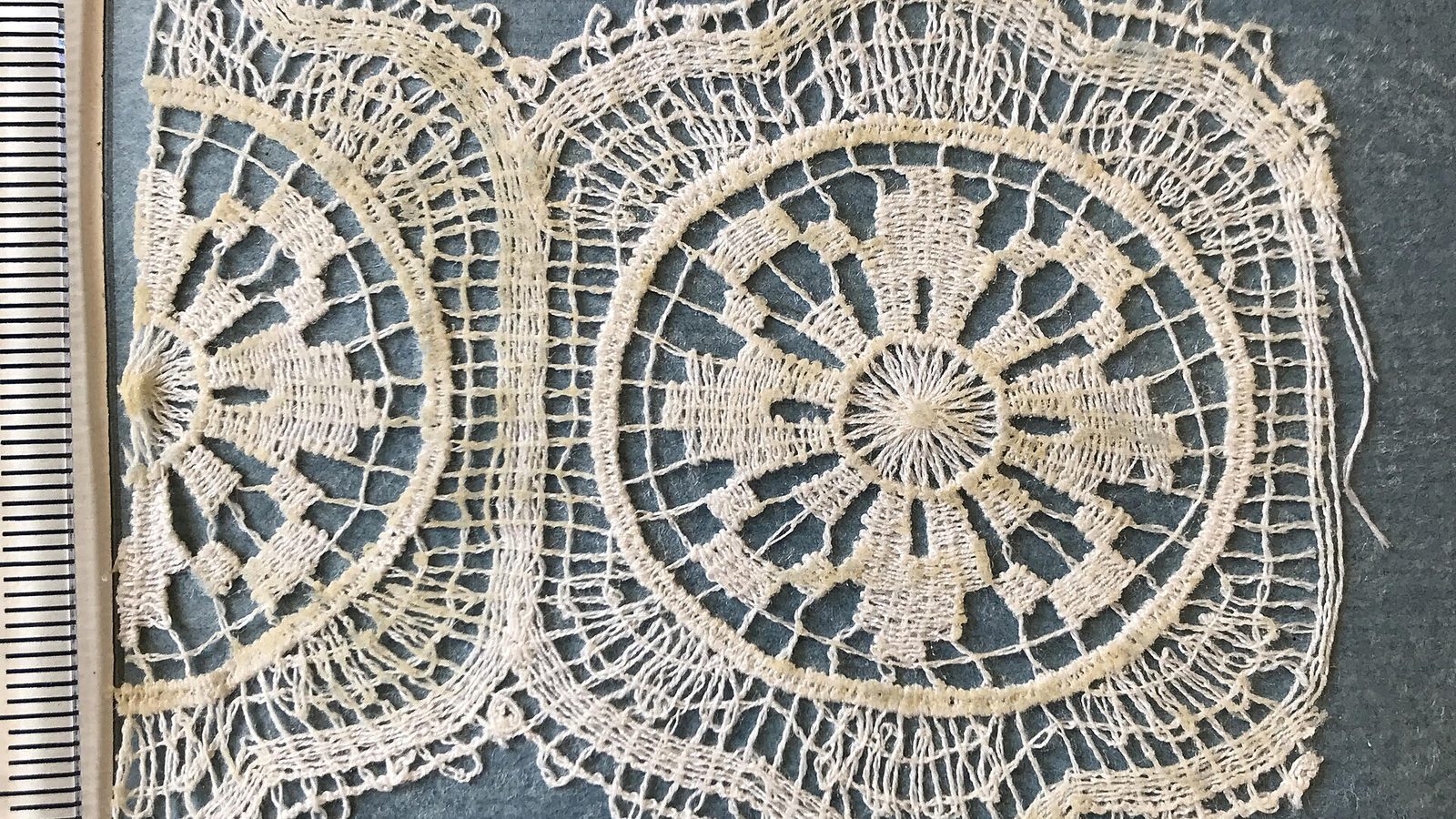
Paris noticed early. In the late nineteenth century, couturiers began buying St. Gallen’s “chemical lace” — a local invention in which patterns are embroidered onto a base fabric that is then dissolved away, leaving pure freestanding ornament. The trick still underpins the guipures on runways today, and I find it a perfect metaphor: St. Gallen’s specialty is making the support structure disappear so only the beauty remains. The city applied the same principle to its own fame.
The crash that emptied a city
Then 1914 arrived, and the world stopped buying luxury overnight. The First World War ended the heyday of eastern Swiss embroidery with a speed that is hard to grasp from this distance: export markets closed, demand for ornament evaporated, and a region built on one product had nothing to fall back on. The clearest measure of the disaster is demographic. Between 1910 and 1930, St. Gallen’s population fell from 75,482 to 64,079 as the unemployed simply left.
The crash in one statistic
City of St. Gallen population, per the figures cited in the article. One industry, one exodus.
St. Gallen population: 75,482 in 1910 at the peak of the embroidery boom; 64,079 in 1930 after the collapse and emigration.Eleven thousand people, gone. Whole streets of embroidery palaces — the grand merchant buildings the boom paid for — suddenly belonged to a city that could no longer afford them. If you visit St. Gallen today, those façades are still the handsomest things on the street, monuments to a fortune that lasted exactly one generation at full strength.
Boom, bust, boutique: the arc of St. Gallen embroidery
A schematic curve drawn from the sourced milestones in this article — an illustration of the story, not a measured dataset.
Schematic: modest scale through the linen and cotton centuries, steep rise after the 1850 machines, world peak around 1910, collapse after 1914, long trough, then a small but stable high-end niche from the late twentieth century to today.The afterlife: smaller, sharper, and sewn into Paris
Here is where the story turns from tragedy to strategy. The industry that survived the trough did it by abandoning volume entirely and keeping only the top of the pyramid: the hardest, most imaginative, most expensive work. Two names carry that legacy today, and both still operate from St. Gallen. The Forster Rohner Group — whose Forster Willi atelier dates back to the boom era — and Jakob Schlaepfer, founded in 1904, now part of the same group and famous as couture’s laboratory for the beautiful and slightly impossible.
Their recent client lists read like the front row’s seating chart. For one recent season alone, Forster Willi produced Dior’s toile de jouy embroideries, an embossed guipure for Versace and nine creations for Akris’ Paris show, while Jakob Schlaepfer delivered laser-cut lace flowers for Chanel. The next year brought five Forster Willi creations for Dior haute couture and a reinvented cashmere-and-sequin fabric for Chanel by Schlaepfer, alongside work for Louis Vuitton, Comme des Garçons and Viktor & Rolf. The empire shrank to two ateliers; the address book did not shrink at all.
St. Gallen embroidery has appeared at one American presidential inauguration. On whom?
And the one fashion house that carries St. Gallen’s name to Paris under its own flag is Akris — founded in the city in 1922, still family-run, still showing at Paris Fashion Week with St. Gallen fabric in the collection. If you have read my guide to Swiss fashion designers worth knowing, you already know I consider Akris the most internationally underrated of them; now you know the fabric heritage it stands on.
Twelve centuries in one table
| Period | What happened | Why it mattered |
|---|---|---|
| 825 | St. Gallen’s monastery produces textiles | The region’s textile story begins in the abbey |
| 15th–17th c. | Linen trade across Europe; first weavers’ guild | St. Gallen merchants build the export networks |
| 18th c. | Cotton replaces linen | The workforce that will switch to embroidery assembles |
| ~1850 | Hand embroidery machines arrive | Output multiplies; farmhouses become micro-factories |
| 1910 | Peak: >50% of world production, 18% of Swiss exports | Embroidery is the largest export sector of the Swiss economy |
| 1914–1930 | War kills the luxury market; population falls by 11,000 | The steepest regional crash in modern Swiss history |
| 1904 → today | Schlaepfer, Forster Willi and heirs go high-end only | St. Gallen becomes couture’s quiet supplier |
Who is wearing St. Gallen right now
For a supposedly vanished industry, the current client list is indecent. These are documented commissions from the recent seasons cited above — the ones the ateliers are allowed to talk about.
| House | What St. Gallen made for them |
|---|---|
| Dior | Toile de jouy embroideries; five haute couture creations in a single season |
| Chanel | Laser-cut lace flowers; a die-cut sequin reinvention of its cashmere |
| Versace | Embossed guipure embroidered with frosted-matt thread |
| Akris | Nine creations for one Paris show, including embroidered silk organza florals |
| Louis Vuitton, Comme des Garçons, Viktor & Rolf, Armani | Fabric and embroidery designs across recent runways |
| Michelle Obama | Forster Rohner embroidery worn at a presidential inauguration |
Notice what is missing from every one of those garments: any mention of St. Gallen. The label inside says Paris or Milan. This is the same instinct I keep circling in my writing on quiet luxury — the Swiss preference for being essential rather than visible. Lyon put its name on its silk. St. Gallen put its lace on the world and kept the receipt in a drawer.
Where to see St. Gallen embroidery for yourself
| Place | What you will find |
|---|---|
| Textilmuseum St. Gallen | The definitive collection: sample books, chemical lace, boom-era treasures |
| St. Gallen old town | Embroidery-boom architecture — oriel windows and merchant palaces built on lace money |
| Textilland Ostschweiz trail | Factory outlets and textile-history walks across eastern Switzerland |
| Akris boutiques | The one Paris-runway label that says St. Gallen out loud |
| Any couture close-up | Look for freestanding guipure and impossible lace — odds are respectable it took the train from the east |
It is an easy day trip from Zurich — an hour by train — and I would honestly rank the Textilmuseum above half the attractions people queue for in my city. Go on a quiet weekday, stand in front of a 1910 sample book, and try to reconcile what you are seeing with the word “machine.” Then take the train home through the hills where all of it was stitched, and see the Swiss fashion scene a little differently than before.
What St. Gallen teaches about Swiss fashion
Put this story next to Zurich’s silk century and a pattern emerges that explains almost everything about how this country dresses. Twice, Swiss cities reached the absolute top of world fashion — and both times as the material, never the name. When the market collapsed, neither city chased volume again. They kept the craft, shrank the scale, raised the standard, and let Paris take the bow. St. Gallen embroidery is what Swiss ambition looks like: world domination, conducted anonymously, in thread.
That material tradition still shapes designers working today — Julian Zigerli founded his Zurich label on innovative Swiss textiles.
FAQ: St. Gallen embroidery
What is St. Gallen embroidery?
Machine embroidery and lace from the St. Gallen region of eastern Switzerland, famous since the 19th century for extraordinary quality — including chemical lace, where the embroidered base fabric is dissolved away leaving freestanding ornament. It remains a staple raw material of Paris haute couture.
How big was the St. Gallen embroidery industry?
At its 1910 peak, the region produced more than half of the world’s embroidery, and embroidery was the largest export sector of the whole Swiss economy at roughly 18 percent of export value — bigger than watches at the time. The First World War ended the boom almost overnight.
Which fashion houses use St. Gallen embroidery today?
Documented recent commissions include Dior, Chanel, Versace, Louis Vuitton, Comme des Garçons, Viktor & Rolf, Armani and Akris, largely through the St. Gallen ateliers Forster Willi and Jakob Schlaepfer of the Forster Rohner Group. Michelle Obama wore Forster Rohner embroidery at a presidential inauguration.
Why did the St. Gallen embroidery industry collapse?
The First World War destroyed demand for luxury goods and closed export markets, and the industry never regained its former scale. The crash was severe enough that St. Gallen’s population fell from 75,482 in 1910 to 64,079 by 1930 as unemployed workers emigrated.
Can I visit and buy St. Gallen embroidery?
Yes. The Textilmuseum St. Gallen holds the definitive collection, the Textilland Ostschweiz trail links factory outlets and textile-history sites across the region, and Akris carries the tradition on Paris runways. St. Gallen is about an hour from Zurich by train — a very good day trip.