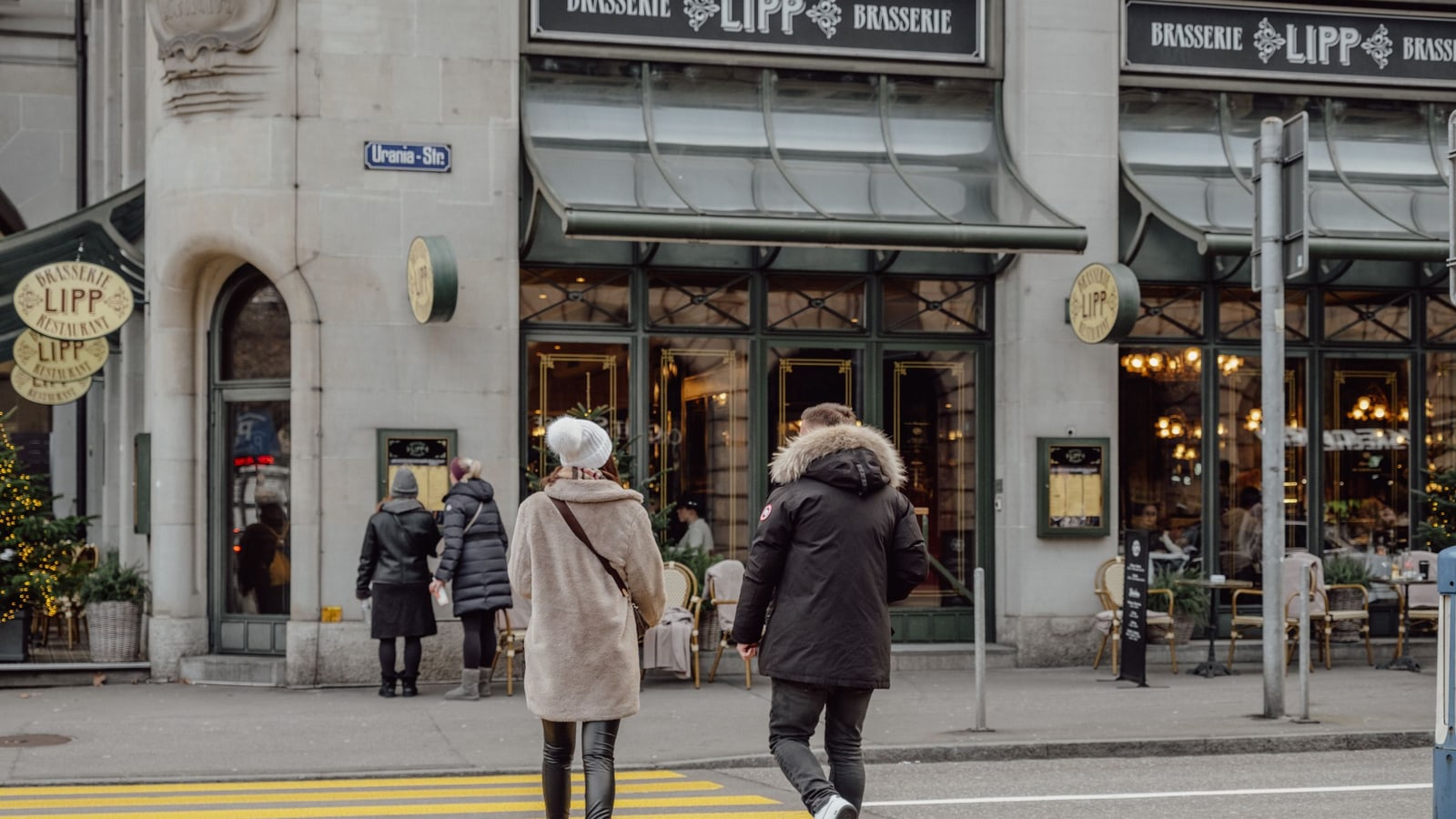
Zurich Winter Coat Rules Locals Follow (and Tourists Miss)
Last updated: June 19, 2026.
A good Zurich winter coat has to do something slightly unfair: keep you warm, look calm, survive a tram commute, and not make you look as if you are dressed for a ski lift that never arrives. That is where many visitors get the city wrong. Zurich is cold, yes, but the real enemy is not always deep snow. It is damp air, lake wind, overheated shops, and the sudden feeling that your beautiful coat is either too thin or too much.
I do not judge a winter coat here by how dramatic it looks in a mirror. I judge it by the five-minute walk from the tram stop, the moment you sit down without removing half your outfit, and the way it behaves with boots, a scarf, and a bag. Zurich rewards outerwear that works quietly. The best coats do not ask for attention. They earn it.
This guide goes deeper than my broader what to wear in Zurich article and sits beside my piece on how people dress in Zurich. If those posts map the wardrobe and the dress code, this one is the winter coat argument.
The Zurich winter coat has to pass the tram test
The tram test is simple. Can you walk quickly, wait outside, sit without puffing up like luggage, and get off without wrestling your bag strap? If not, the coat is wrong for Zurich, even if it looked expensive in the changing room.
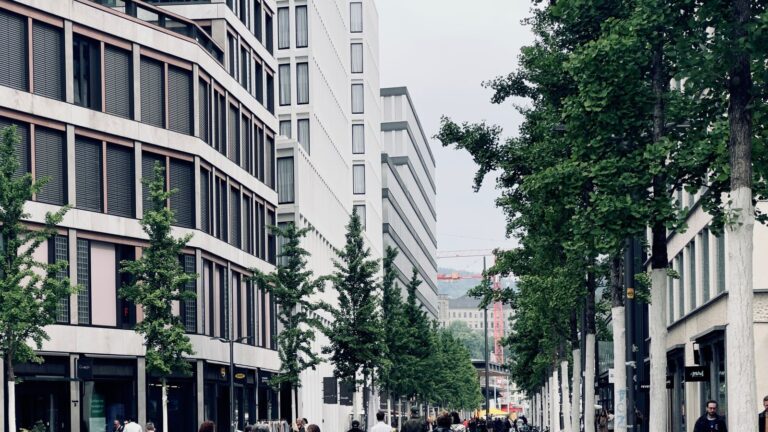
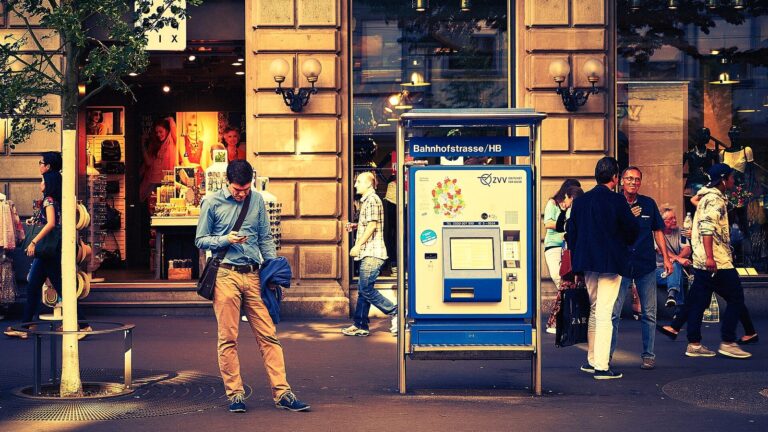
Zurich winter dressing is public-transport dressing. The official Zurich Tourism public transport guide is a useful reminder of how much daily life moves by tram, train, and walking. That changes the coat brief. You are not dressing for a car-to-restaurant dash. You are dressing for the space between places.
That is why I like coats with enough structure to look intentional, but enough ease to move. A narrow coat that pulls at the hips is annoying on steps. A huge puffer can feel warm, then ridiculous inside a crowded shop. The sweet spot is warmth with control: room for a knit, sleeves that do not fight gloves, and a length that protects without dragging the whole outfit down.
Wool looks right, but wool alone is not a plan
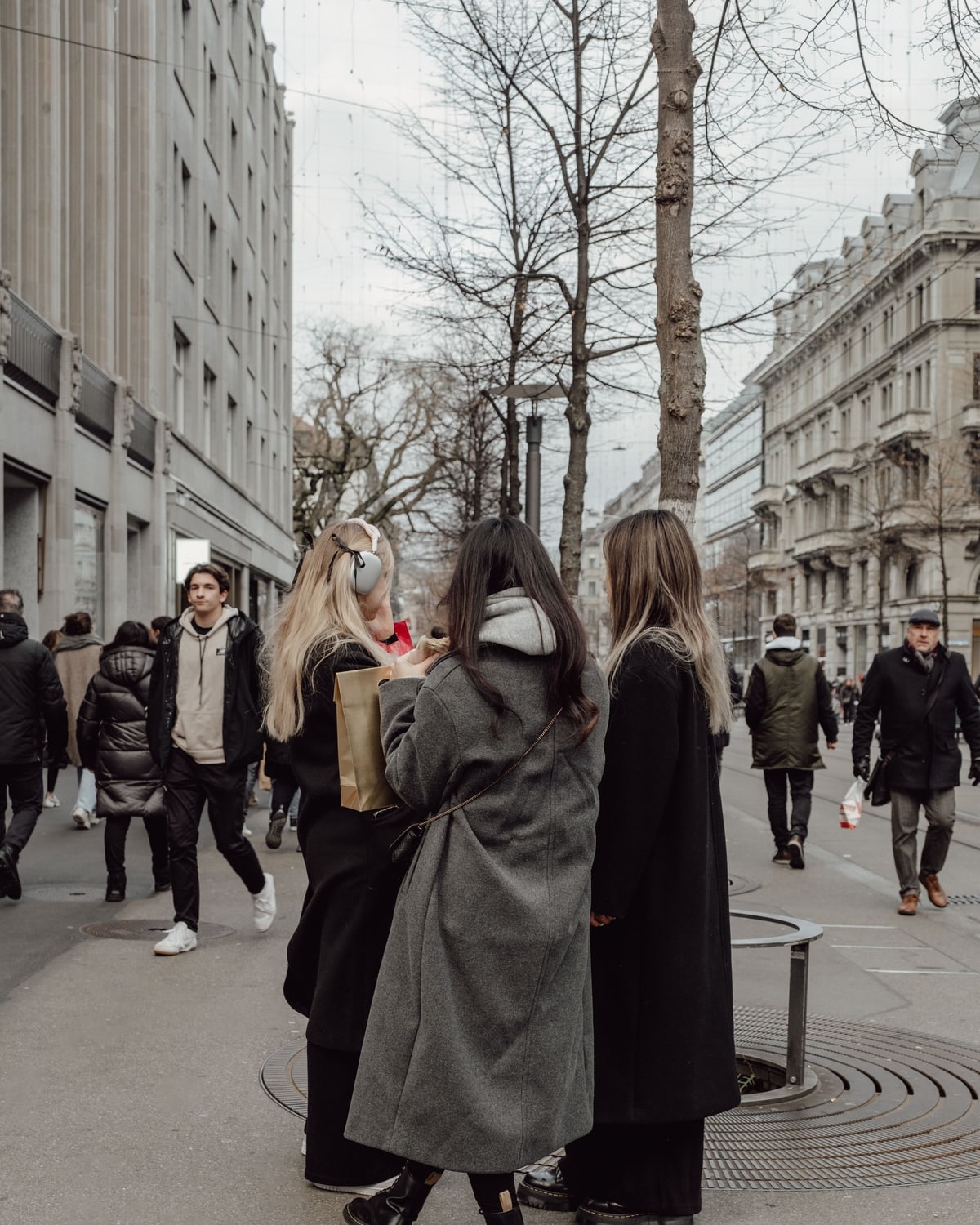
A wool coat is the most Zurich-looking answer. It works with trousers, denim, boots, loafers, a leather bag, a scarf, and the no-logo polish I wrote about in quiet luxury in Switzerland. Around Bahnhofstrasse, a clean wool coat often looks more natural than a technical jacket, especially in camel, charcoal, navy, black, or soft grey.
But here is the catch. Wool is not magic. If the coat is unlined, too open at the neck, or made from a thin blend, you will feel the gap fast. I would rather buy a less theatrical wool coat with a proper lining than a beautiful one that needs an entire survival system underneath.
Look for weight, a smooth lining, deep pockets, a collar that closes, and enough sleeve room for knitwear. If the coat only works over a T-shirt, it is not a winter coat. It is a winter fantasy with buttons.
| Coat choice | Best Zurich use | What it solves | I would skip it when |
|---|---|---|---|
| Long wool coat | Bahnhofstrasse, work days, dinners, polished city errands | Looks refined, layers well, and avoids the tourist ski-jacket feeling | The forecast is wet all day or you plan to stand outside for hours |
| Clean down parka | Cold tram waits, lake wind, early mornings, casual weekends | Warmth without needing five layers underneath | It is shiny, bulky, or covered in loud branding |
| Wool-blend coat with hood | Mixed weather, commuting, practical smart casual outfits | Keeps the city look but handles drizzle better | The hood ruins the shoulder line or feels too sporty |
| Short puffer jacket | Zürich-West, school runs, quick errands, casual coffee stops | Easy movement and strong warmth above the waist | You are wearing thin trousers or standing in wind |
| Teddy or faux-shearling coat | Dry cold days when texture is the main style point | Softens a dark winter wardrobe fast | It gets heavy in damp weather or looks tired after one season |
Down can work in the city if it stays quiet
I know some people hear “down jacket” and immediately imagine a hiking shop. Zurich is more flexible than that. Technical outerwear makes sense here because the city is close to real Swiss weather habits: mountain weekends, wet pavements, early trains, and people who would rather be warm than decorative.
The difference is styling. A city down coat should be matte, not shiny. It should skim the body, not swallow it. It should have useful pockets, a clean hood, and as little branding as possible. Swiss brands like Mammut explain why technical clothing has such a natural place in local wardrobes, but the city version needs restraint. Performance is useful. Performance theatre is less charming.
If you already own a black down coat, do not panic. Make it look Zurich by sharpening everything around it: straight trousers, good boots, a plain knit, a wool scarf, and a bag that does not scream gym commute. If the coat is practical, the rest of the outfit has to carry the polish.
Length matters more than most people admit
The coat length changes the whole outfit. A coat that ends at the widest part of the hip can make even good trousers look clumsy. A mid-thigh parka is practical, but it can break the line if the rest of the look is too casual. A knee-length coat usually gives the best city balance: warm enough, polished enough, and easy enough to sit in.
For Zurich, I like three useful lengths. Hip length for sporty errands and mild days. Mid-thigh for casual down coats and practical weekends. Knee to mid-calf for wool coats, work days, and anything near Bahnhofstrasse. Full-length coats can look wonderful, but only if the fabric moves well. Otherwise they start to feel ceremonial, and Zurich is not a city that loves ceremony in everyday clothing.
The small detail I care about: the coat hem should relate to your boots. If the coat stops awkwardly above bulky footwear, the outfit looks chopped. If the coat and boots speak the same language, even a simple outfit looks considered.
Zurich winter coat priority chart
Warmth without bulk
Wind and damp-weather handling
Clean city silhouette
Logo visibility
Layering should be invisible, not bulky
Layering in Zurich is not about wearing the most clothes. It is about wearing the right thin layers so your coat can still close properly. I like a fitted base layer or thin thermal top, then a merino knit, then the coat. That combination usually looks better than one enormous sweater fighting for space under the sleeves.
The MeteoSwiss climate normals for Zurich/Fluntern are a good reminder that Zurich winter is cool, damp, and changeable rather than one simple deep-freeze story. That is exactly why layers matter. You need to adjust between a cold platform, a warm tram, a shop, and a windy walk near the lake.
Scarves do a lot of work here. A wool scarf can rescue an open neckline, soften a black coat, and make a practical jacket look intentional. Gloves matter too, but I would keep them simple. Leather if the outfit is polished, wool or technical fabric if the coat is casual. Mittens can be cute, but only if the rest of the look has enough adult energy.
The shoes decide if the coat looks local
A Zurich winter coat can only do so much if the shoes are wrong. Thin soles, fragile heels, and slippery fashion boots ruin the whole promise. This city has wet crossings, stone streets, station stairs, and enough walking to expose bad footwear quickly.
My safest formula is simple: wool coat with ankle boots, down coat with clean winter sneakers or sturdy boots, camel coat with dark leather, black coat with a texture contrast. I would rather see practical boots with a plain coat than delicate shoes with an expensive one. The first looks like taste. The second looks like denial.
If you are shopping locally, use the Zurich fashion guide for the bigger style map and the no-fast-fashion shopping guide if you want a coat that is not another rushed purchase. A good coat is too visible to buy in panic.
What I would not buy for Zurich winter
I would not buy a coat with a collar that never closes. Pretty, yes. Useful, no. I would not buy a pale coat if every tram ride will make you nervous about dirt. I would not buy anything so tight that you cannot layer a knit underneath. And I would be careful with coats that look expensive only because the photo was soft and beige.
I would also avoid a coat that depends on a perfect outfit every time. Zurich style is too practical for that. Your coat should work with denim, trousers, boots, sneakers, a tote, a scarf, and slightly tired Monday hair. Actually, that last test may be the most honest one.
The best Zurich winter coat is not the warmest coat in the shop. It is the one you reach for without negotiating with yourself. It closes. It moves. It keeps its shape. It lets the rest of your outfit stay calm. That is the local rule tourists miss: in Zurich, winter style starts with function, but it should never end there.
FAQ: Zurich winter coat rules
What kind of winter coat should I wear in Zurich?
A knee-length wool coat or a clean matte down coat works best for most Zurich winter days. Choose enough room for knitwear, a collar or hood that handles wind, and a shape that still looks polished with boots.
Is a wool coat warm enough for Zurich winter?
Yes, a lined wool coat can be warm enough for many city days, especially with a merino layer and scarf. For wet, windy, or long outdoor days, a technical down coat or wool-blend coat with better weather protection is safer.
Do locals wear puffer jackets in Zurich?
Yes. Locals wear puffers, parkas, and technical jackets, but the city version is usually cleaner and quieter than ski wear. Matte fabric, good fit, and restrained branding make the difference.
What coat colour looks most Zurich?
Black, navy, charcoal, camel, dark green, chocolate, and grey all work well. Zurich winter colour is usually muted, but texture and fit keep it from looking dull.
Should I pack a ski jacket for Zurich?
Only if you plan mountain days or very casual outdoor activities. For the city, a clean down coat or wool coat usually looks better and still keeps you warm enough with proper layers.